

Things to Do in Chongqing: A Practical First-Visit Travel Guide
Start with the riverside city center, leave room for one evening view, and choose a second neighborhood for the following day. That is a more useful first plan than trying to collect every famous photograph. The most rewarding things to do in Chongqing combine its layered streets, food and river setting, but they are easier to enjoy when you group stops geographically. Two full days give you a city introduction; a third creates space for slower meals, an indoor visit or a neighborhood beyond the central peninsula.
This Chongqing travel guide is a flexible planning framework, not a fixed package. Walking ability, the location of your hotel and the weather can change what fits comfortably. A short distance on a map may involve steps, changes in level or an indirect street route. Build your days around how you want to feel at the end of them, rather than the maximum number of attractions you could theoretically reach.

Chongqing at night, photographed in May 2025. Destination image; lighting varies. Choose your area before choosing your attractions
For a first visit, think in clusters. The Jiefangbei and Hongyadong area works for an introduction to central Chongqing and an evening near the river. Liziba can anchor a separate outing focused on the city's transport and urban setting. Ciqikou is another excursion, rather than a quick extra squeezed between central stops. Decide which cluster matters most, then add nearby meals and breaks.
Area or theme Best use of your time Planning tradeoff Jiefangbei and the central peninsula A first orientation, food and an evening view Busy streets and changes of level Hongyadong riverside Architecture and photographs from a safe public viewpoint Crowds can slow movement Liziba A focused transport and cityscape outing A photograph does not require a whole day Ciqikou A separate neighborhood visit with time to browse Allow for the journey out and back An indoor cultural stop Context and a weather alternative Confirm opening and booking arrangements If you are traveling with children or older relatives, choose fewer clusters. An ambitious zigzag through the city can consume more energy than the attractions themselves. Put your essential stop early in the day, make the afternoon adjustable, and keep the evening close to your hotel when possible. These simple decisions often improve a Chongqing itinerary more than adding another landmark.
Hongyadong and the river views
Hongyadong, also called Hongya Cave, is a multilevel riverside attraction with architecture, shops and food. It should not be understood as a remote natural cave excursion. The local destination source describes its layered setting and illuminated appearance; it is useful for understanding why visitors include it among the things to do in Chongqing. Treat it as a busy urban place where the approach and viewpoint are part of the visit.
Separate two decisions: whether you want to walk through the complex, and where you want to look back at it. They need not happen at the same moment. Arriving before your preferred evening viewing period can give you time to understand the levels and find a meal, but lighting, weather and crowd controls remain variable. Do not build the entire day around a guaranteed photograph or a precise illumination time.
Choose designated pedestrian areas and follow current crowd guidance. If a preferred viewpoint feels uncomfortable, move on rather than waiting in a congested passage. Families should agree on a meeting point before entering busy areas. A quieter river view can be a better memory than a perfect camera angle reached through an exhausting queue.

Chongqing Rail Transit Line 2, photographed in May 2026. See how the city works at street level
Some of the interesting things to do in Chongqing are ordinary transitions: emerging from a station, discovering another street level, or watching the landscape change along a journey. Leave unstructured time for this. A city visit does not need to become a sequence of paid attractions, and a transport ride should serve a sensible route rather than force an unnecessary detour.
Liziba is a useful example of a focused stop. If the rail setting interests you, make it part of a half day with one nearby activity and a meal. Confirm the current access route locally. Keep clear of passenger circulation, and do not assume a popular viewing area is step free. For travelers with limited mobility, the relevant question is the complete route from vehicle or station exit to viewpoint and back.
Ciqikou suits visitors who want time for browsing and food away from the central riverside plan. Give it its own block in the itinerary. If shopping streets are not your interest, use that time for a cultural visit or a relaxed lunch instead. Choosing what to omit is a practical part of planning things to do in Chongqing.

Raffles City Chongqing, May 2026. A cityscape illustration, not a promised viewing condition. A flexible two-day Chongqing itinerary
Day one: central orientation and an evening by the river
After breakfast, begin with a short orientation around your hotel and the central area. Locate a convenient station entrance or pickup point before you need it in the evening. Choose a manageable walking section, then stop for lunch before fatigue determines your restaurant choice. A midday hotel break is a reasonable use of time, especially after a late arrival or during uncomfortable weather.
In the afternoon, return toward the Hongyadong area at a pace that leaves room for navigation. Decide whether the group wants to explore the complex or prioritize an outside view. Eat before the busiest part of your evening if that suits your routine. Keep the return journey simple and allow permission to end early. The aim is a satisfying introduction, not a mandatory late finish.
Day two: one distinct area and a food experience
Choose Liziba with another compatible city stop, or give a larger share of the day to Ciqikou. Avoid combining both simply because they appear on the same list. Return to a convenient area for a relaxed meal. If hotpot is a priority, discuss the style, ingredients and spice level before ordering, so that dinner becomes an experience everyone can enjoy.
Keep the final part of the day open. You might revisit a river viewpoint in different conditions, spend more time in a neighborhood, or rest before onward travel. Visitors who prefer cultural context can replace part of the outdoor program with a museum after checking its official entry arrangements. None of these choices makes the itinerary less complete.
What a third day changes
A third full day is most useful as breathing room. It can separate two neighborhoods that would otherwise compete for time, provide an indoor alternative, or let you recover from a delayed arrival. If you want a substantial excursion outside the central city, assess its transport and visiting time independently. Do not describe a distant landscape or heritage visit as a casual city-center add-on.
Travelers combining this city with Chengdu should also count the transfer day honestly. A train journey is only one part of the move: checkout, travel to the correct station, boarding, arrival and hotel access all take time. Keep a reserved attraction away from that uncertainty. For broader choices, compare our China itinerary guide and Chengdu guide.
Food, spice and dietary needs
Food belongs near the top of many lists of things to do in Chongqing, but your plan should work for the whole group. Hotpot can be a shared occasion without assuming every traveler wants the same level of heat. Discuss the broth and ingredients clearly. A divided pot does not establish allergen separation, and a mild request does not automatically mean a dish contains no chili or Sichuan pepper.
For allergies or strict dietary requirements, prepare a short written explanation in Chinese and ask about stocks, sauces and shared equipment. Restaurant staff must confirm what they can provide; a travel itinerary cannot guarantee an allergen-free meal. Carry familiar snacks for children when suitable and keep an ordinary meal option available. Food exploration works best when nobody feels obliged to prove their spice tolerance.
Where to stay and how to move around
Choose accommodation by access as well as neighborhood. A central address can still involve stairs or an awkward vehicle pickup. Ask about the actual entrance, lift access, luggage handling and the route to public transport. If sleep matters more than a view, request information about the room's position and nearby noise. Photographs of a skyline do not explain what arriving with suitcases will feel like.
Use a combination of walking and transport that fits your group. Save the hotel's Chinese name and address, along with the exact station name for onward travel. Confirm pickup locations rather than relying on a map pin alone. When evaluating things to do in Chongqing, include the return journey in your decision; an easy outward trip is only half of a workable plan.
Weather, steps and a practical backup
Check the local forecast shortly before travel and again during your stay. Leave room to change outdoor walks when heat, rain or visibility makes them less enjoyable. Shoes with reliable grip, manageable luggage and regular breaks are more useful than an overfilled timetable. Do not promise a clear skyline on a particular date.
Prepare one indoor option whose current opening and admission rules you have checked, plus a meal or tea break near your hotel. A backup should be convenient enough to use. For seasonal route decisions across several cities, consult our seasonal planning guide. The right set of things to do in Chongqing depends as much on pace and conditions as on the season's reputation.
Combining both cities? Explore a flexible six-day Chengdu and Chongqing itinerary, with overnight bases and transfer-day planning.
Frequently asked questions
Is two days enough for a first visit?
Two full sightseeing days can cover a central introduction and one additional area. Arrival and departure days are not automatically full visiting days. Add a third day if you want more recovery time, an excursion or a slower family pace.
Should I stay near Hongyadong?
It may be convenient for an evening visit, but compare entrance access, noise and your other travel plans. Choose the hotel that supports your whole itinerary rather than the one with the closest landmark label.
Can I visit with a stroller?
Plan individual routes carefully and verify lifts and step-free entrances. A stroller may help on some sections but become awkward on stairs or crowded routes. Describe your needs before confirming activities or accommodation.
Do I need a guide for the whole stay?
Not necessarily. Some travelers prefer help with orientation or a food outing and independent time afterward. Confirm the language, hours, meeting point, transport and inclusions for the services you actually want.
Can I combine Chongqing and Chengdu?
Yes, they can form a two-city planning request. Check date-specific rail options and station names through the official railway service. Leave the transfer day flexible instead of treating it as another full sightseeing day.
Plan a Chongqing visit around your priorities
Send your dates, number of travelers, available days, walking preferences and dietary requirements. Tell us which things to do in Chongqing interest you most and whether Chengdu is part of the same trip. China Guide Trip can discuss a tailored plan and arrangements with local partners; guide availability, transport, admission and prices must be confirmed in the specific proposal.
Request a Chongqing trip plan · Explore private China tour planning
Top Experiences
What to See and Do in Chongqing
These six experiences offer a useful first selection. Suggested visiting times exclude transfers, queues and long meals.
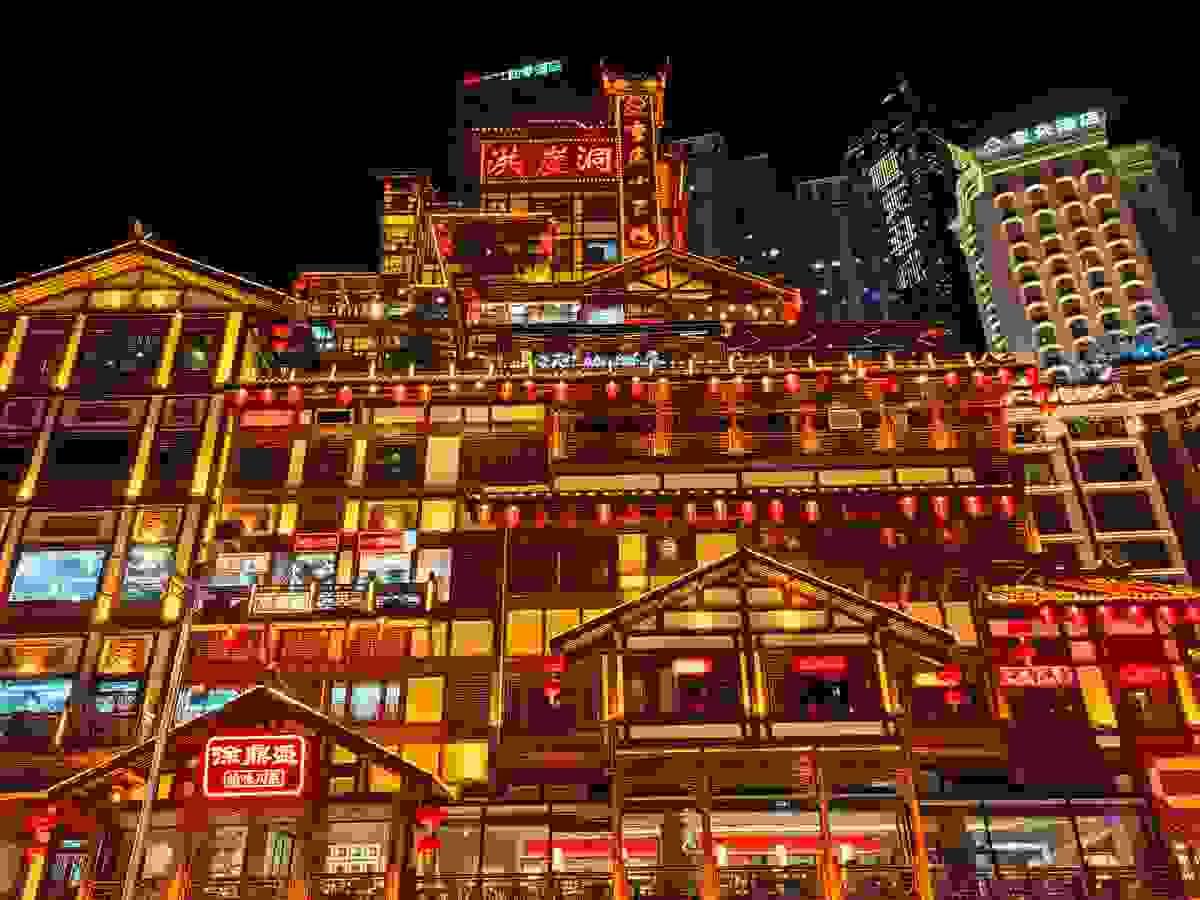
Hongyadong After Dark
See the illuminated, layered buildings beside the Jialing River. Today's dining and retail complex interprets traditional Chongqing stilt-house architecture; visit for the setting and evening atmosphere. Take in the exterior before deciding how much time to spend inside.
Recommended time: 1–2 hours, plus extra time for peak-period crowds.
Best for: Night photography · Architecture · River views
Photo: Yumeto / Wikimedia Commons, CC BY-SA 4.0. Resized for layout; photo remains under the same license.
Source: https://commons.wikimedia.org/wiki/File:20250521_Hongyadong_(223429).jpg
License: https://creativecommons.org/licenses/by-sa/4.0/
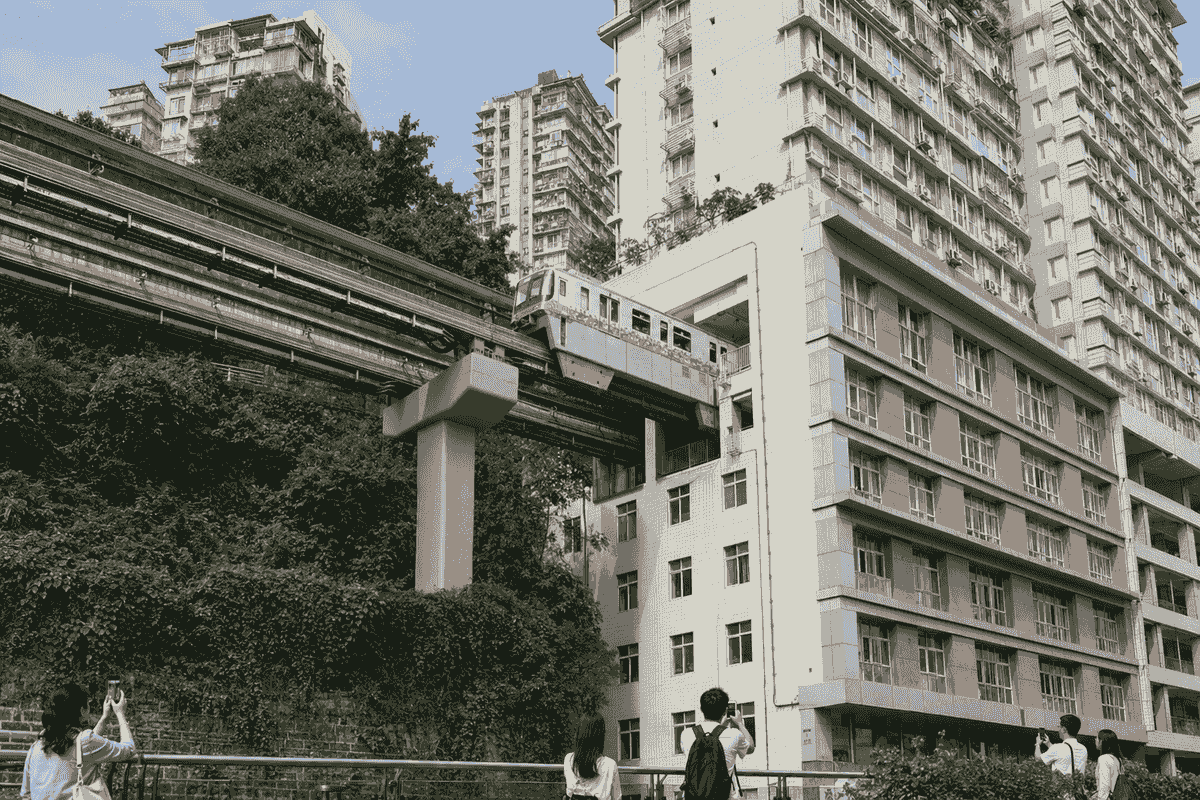
Liziba and Line 2
Watch a working monorail enter the station built into a residential-commercial building, then take a ride to experience the city from the train. Use the designated viewing area and keep station entrances clear.
Recommended time: 45–90 minutes for the viewing stop and a short ride.
Best for: Transit enthusiasts · Families · Urban photography
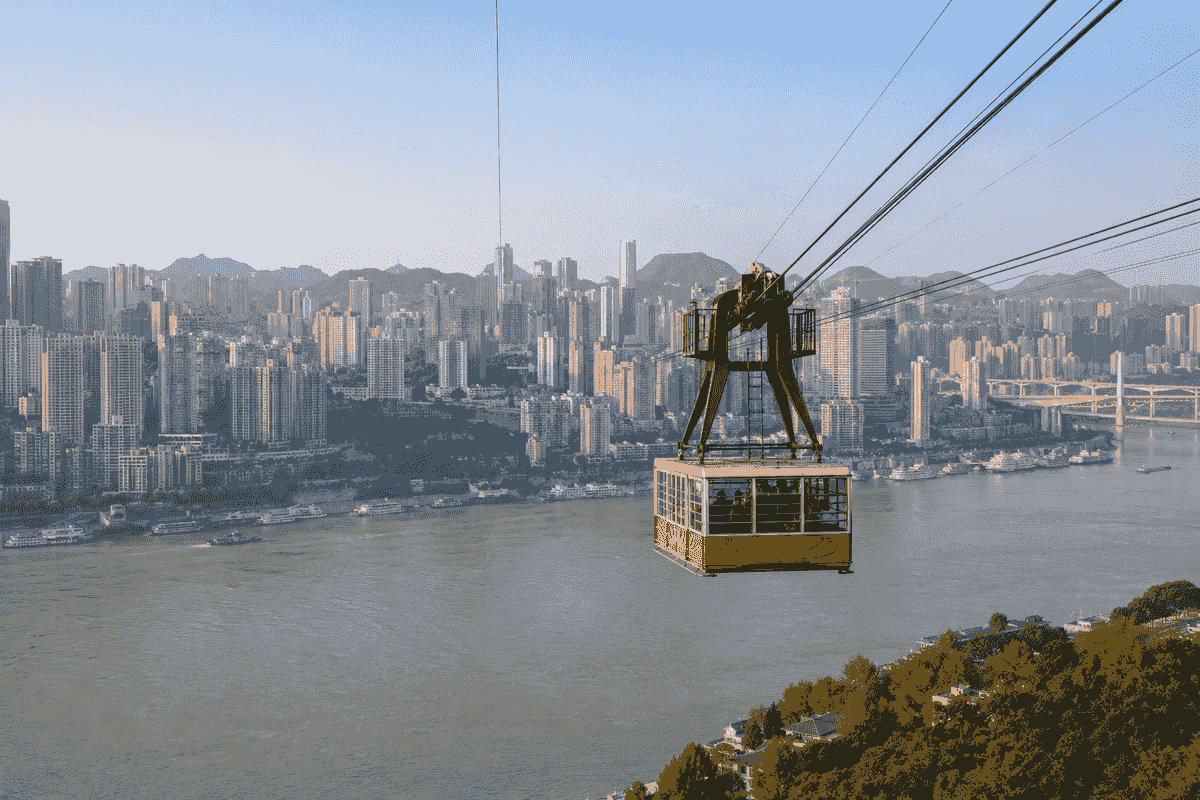
Yangtze River Cableway
Cross the river above the water for a different perspective on Chongqing's bridges and towers. The crossing itself is brief, but ticketing and queues can take much longer. Keep the rest of the day flexible and check the operator's current service notice.
Recommended time: 1–2 hours including a planning allowance for waiting; longer at busy times.
Best for: River scenery · City landmarks
Shancheng Alley
Walk a hillside route where restored historic buildings, steps and small businesses sit close to the Yangtze. Pause at the viewpoints and explore at a manageable pace. The route is better enjoyed as a neighborhood walk than a race between photo spots.
Recommended time: 1.5–2 hours.
Best for: Walking · Local history · City views
Ciqikou
Explore a popular historic district in Shapingba with narrow lanes, traditional-style buildings, tea shops and snacks. Arrive earlier if you prefer a less crowded walk, and step away from the busiest shopping stretch when you want a break.
Recommended time: Half a day including travel from central Chongqing.
Best for: Street life · Tea · Local snacks
Chongqing China Three Gorges Museum
Give the landscapes and city streets some historical context through exhibitions about Chongqing and the Three Gorges region. Pair the museum with the nearby People's Square rather than adding another distant neighborhood.
Recommended time: 2–3 hours.
Best for: History · Culture · An indoor break
The Mountain City
See Chongqing at More Than One Level
Walk one hillside route well, give the rivers their own evening and make hotpot a proper meal.
Chongqing Moto Photography / Ride Experience (Optional)
Interested in a riverfront motorcycle photo or video session? Some sessions involve riding pillion; others use a stationary motorcycle. Ask exactly what is included. Availability, local rules, permitted routes and provider qualifications need fresh confirmation. Check properly fitted helmets, protective gear and insurance coverage for the proposed activity. Choose a shoot without stunts, unsafe poses or traffic disruption; a stationary shoot in a permitted location may be a better fit. Mention your interest in your enquiry. Arrangements are subject to provider and safety confirmation.
Walk One Hillside Route Well
Shancheng Alley offers a useful introduction to the city's vertical geography. Wear shoes with good grip, allow breaks and check where the route actually starts. A building's riverside entrance and street-level entrance may be far apart in height.
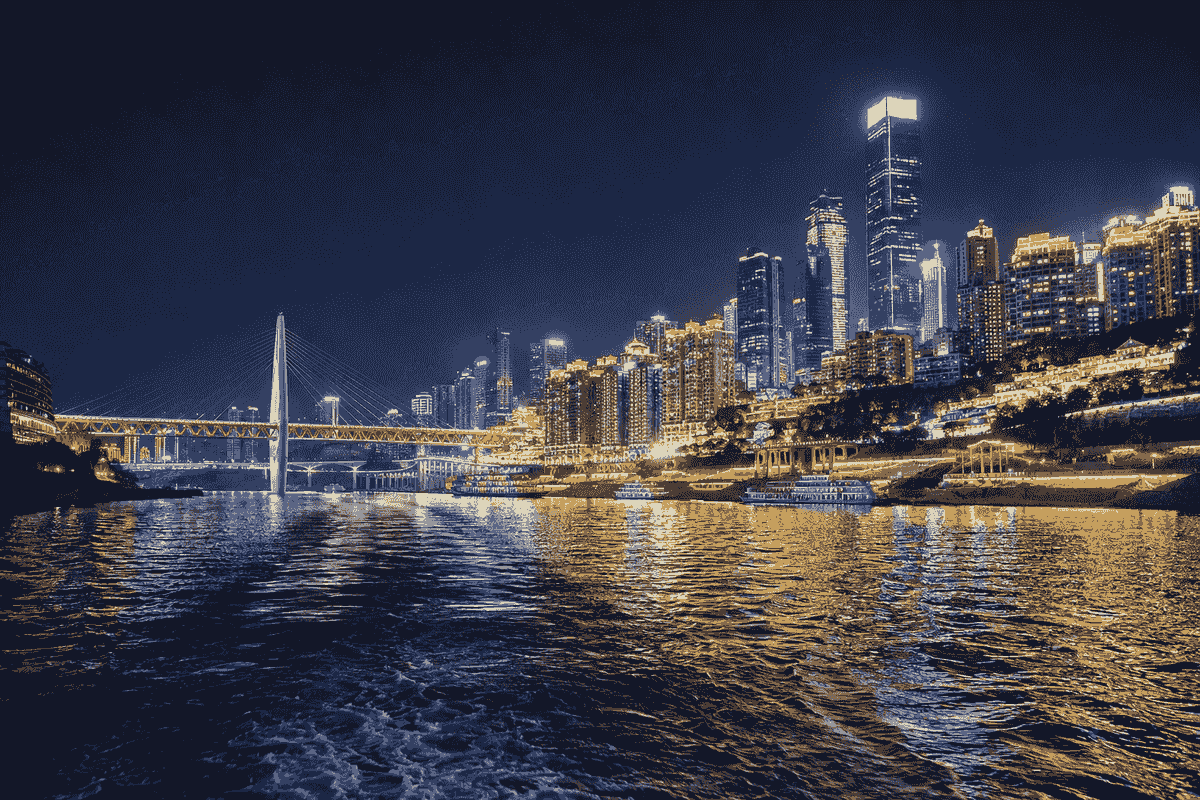
Give the Rivers Their Own Evening
Leave a flexible window around dusk for Hongyadong and the waterfront. Mist, rain and river conditions affect the view. Choose one main evening area instead of trying to photograph every landmark on both banks.
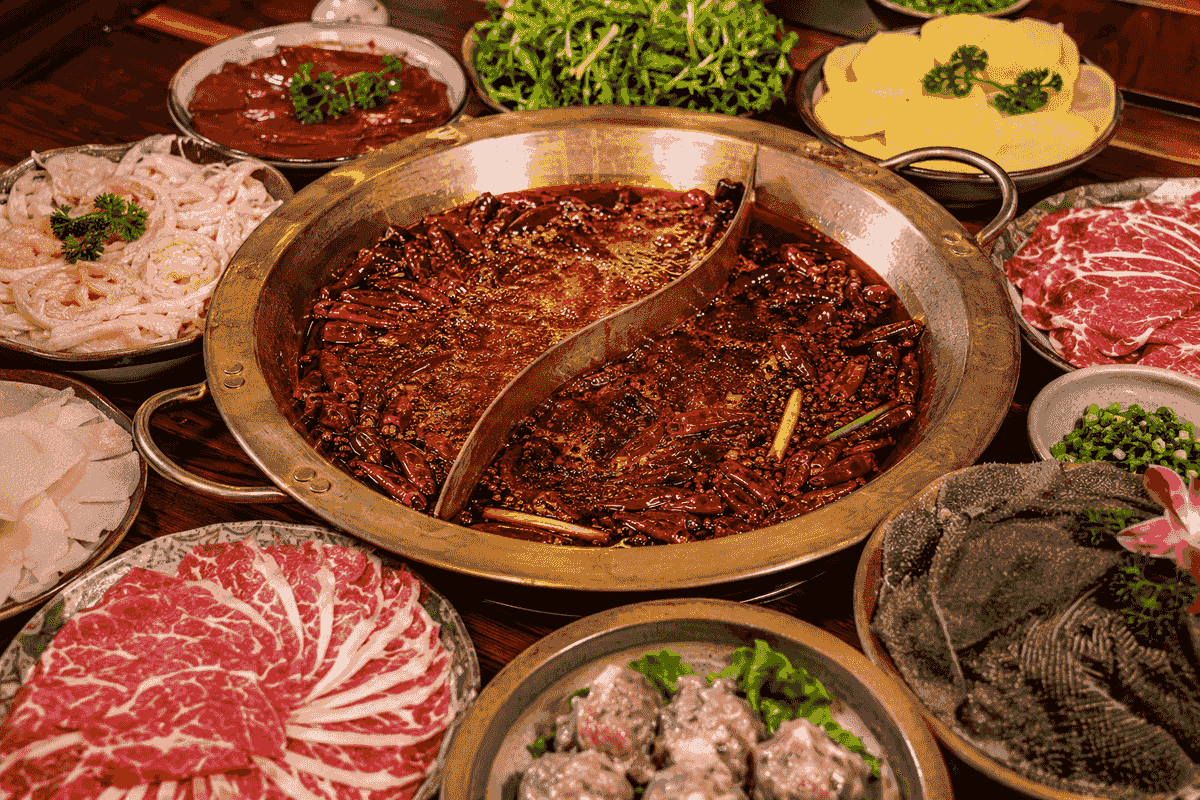
Make Hotpot a Proper Meal
Hotpot is a shared, hands-on dinner. Pick a broth that suits the whole table, ask about the ingredients in the base and order gradually. A divided pot may help people choose different flavors, but shared utensils and kitchens still matter when discussing dietary needs.
Local Flavors
What to Eat in Chongqing
Chongqing food is known for heat, fragrance and bold seasoning, but its local
cuisine offers more variety than hot pot alone.
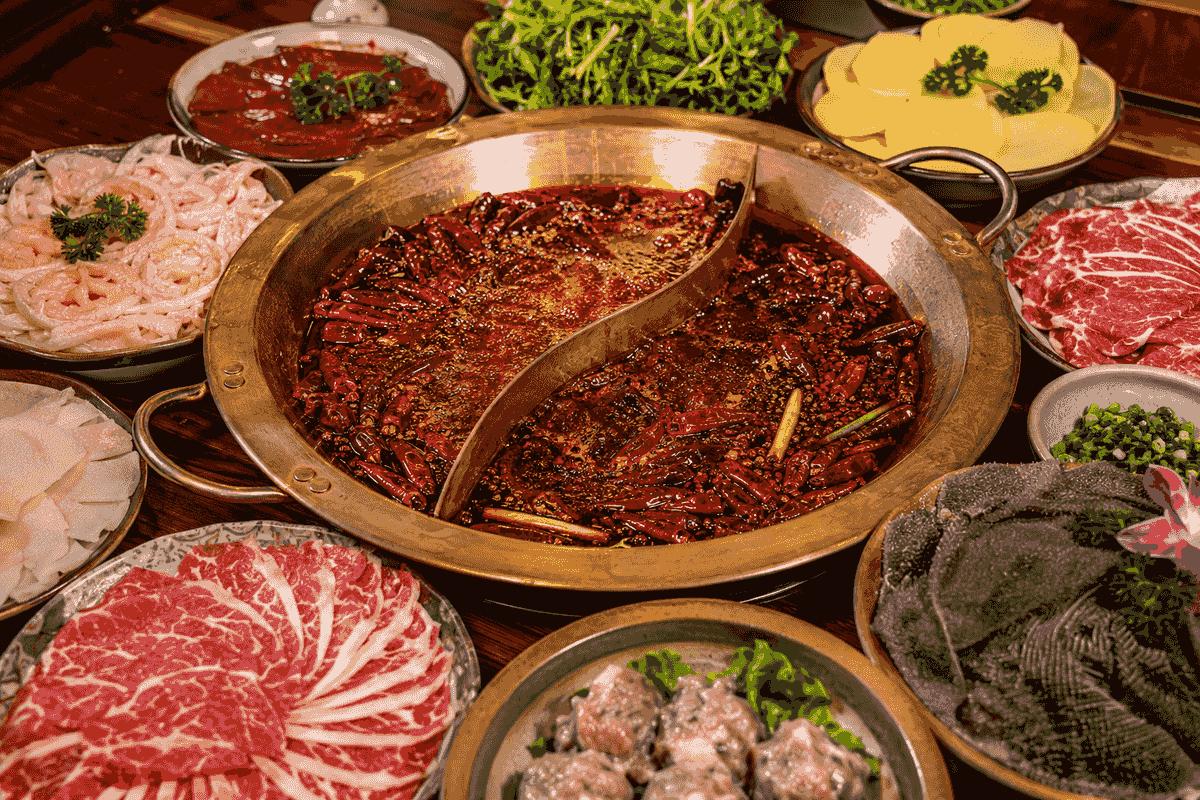
Chongqing Hot Pot
A bubbling pot, plates of ingredients and a lively shared table make this a meal to linger over. Classic broths can be strongly seasoned with chili and Sichuan pepper. Ask about a milder option before committing to the pot.
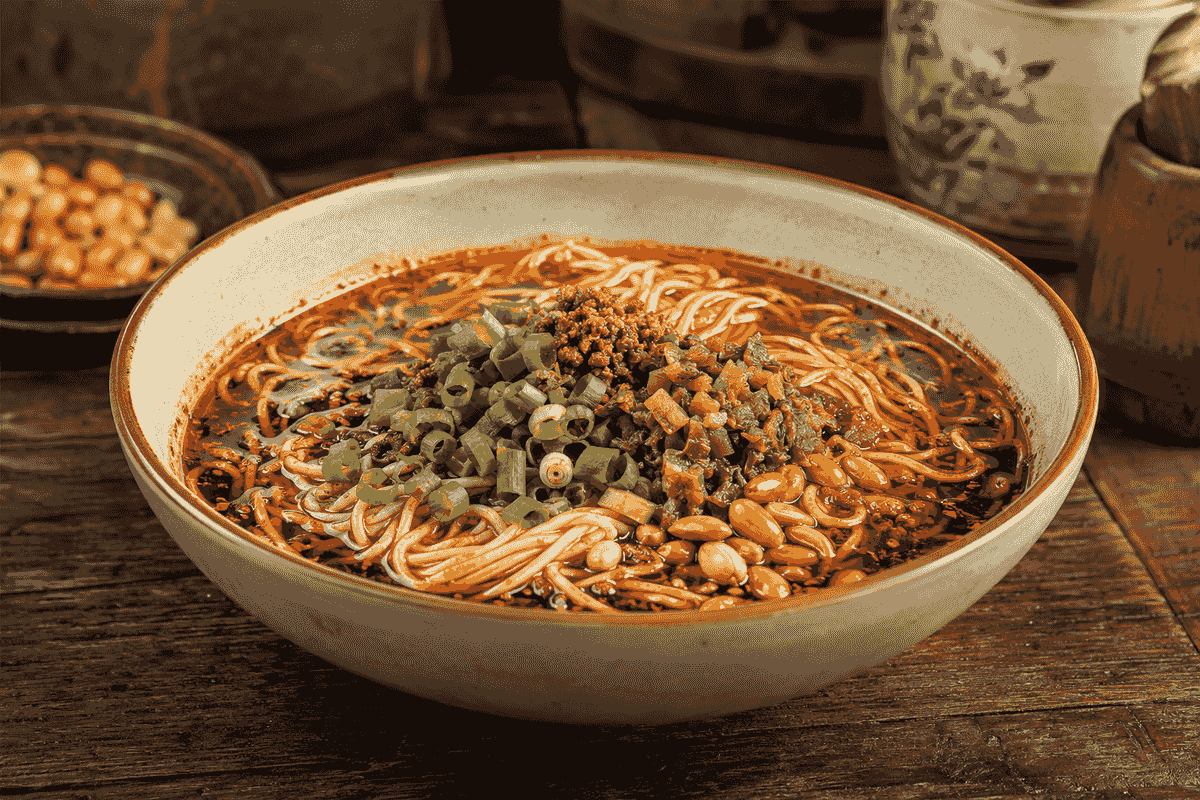
Xiaomian
Chongqing's everyday noodle bowls bring together noodles, greens and fragrant seasonings. Shops differ in heat and toppings, so choose a bowl to suit your appetite and explain how much chili you want.
Douhua with Rice
Soft tofu served with rice and a dipping sauce offers another side of the local food scene. The sauce may be spicy, and a tofu-based dish is not automatically vegetarian, so check the preparation.
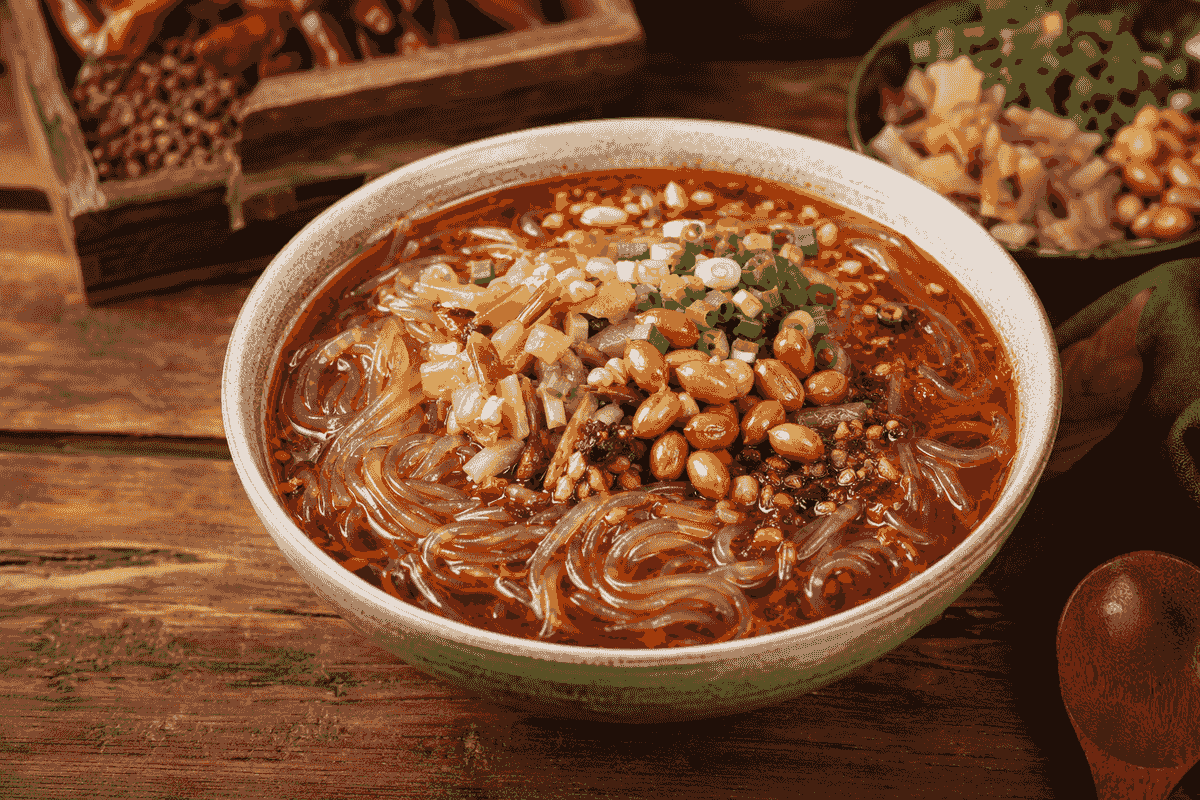
Suan La Fen
Hot-and-sour noodles combine a tangy broth with slippery starch noodles and varied toppings. They make a satisfying light meal; ask about the stock and garnish if you avoid meat or particular ingredients.
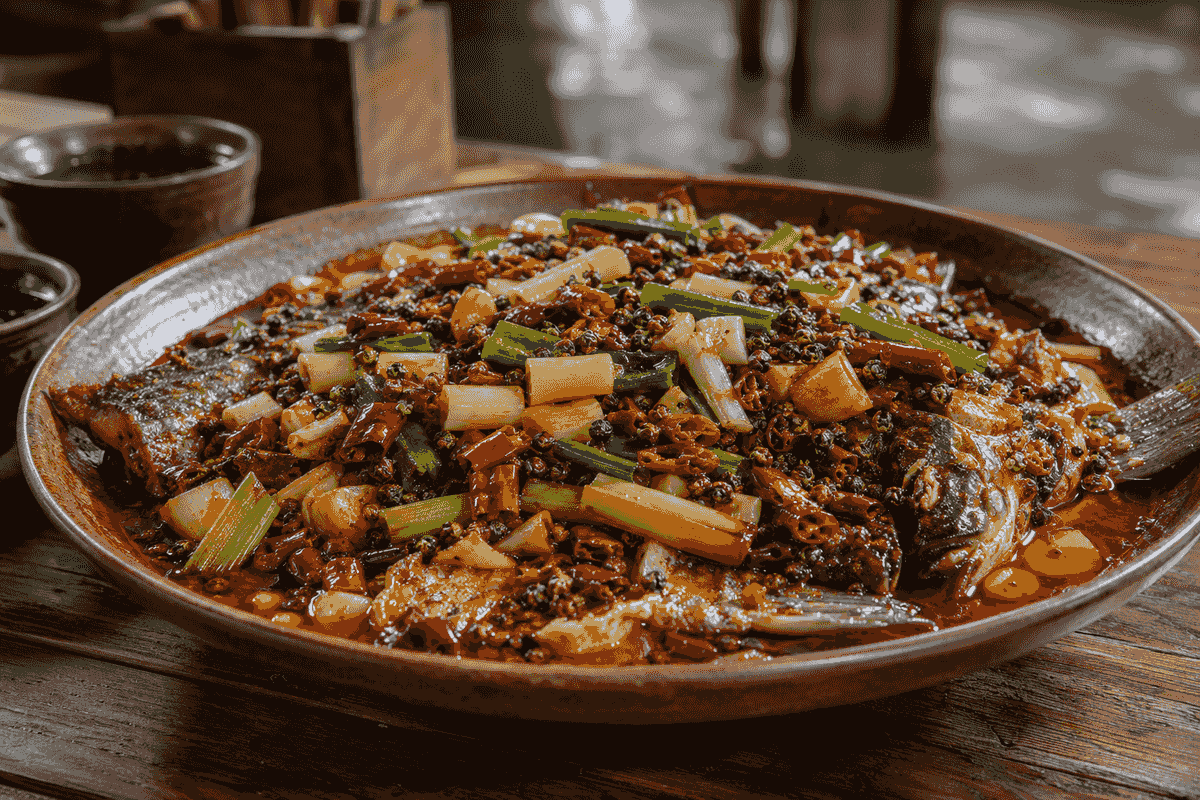
Jianghu Cuisine
Hearty riverside-style dishes built on bold seasoning, chili, Sichuan pepper and generous portions.
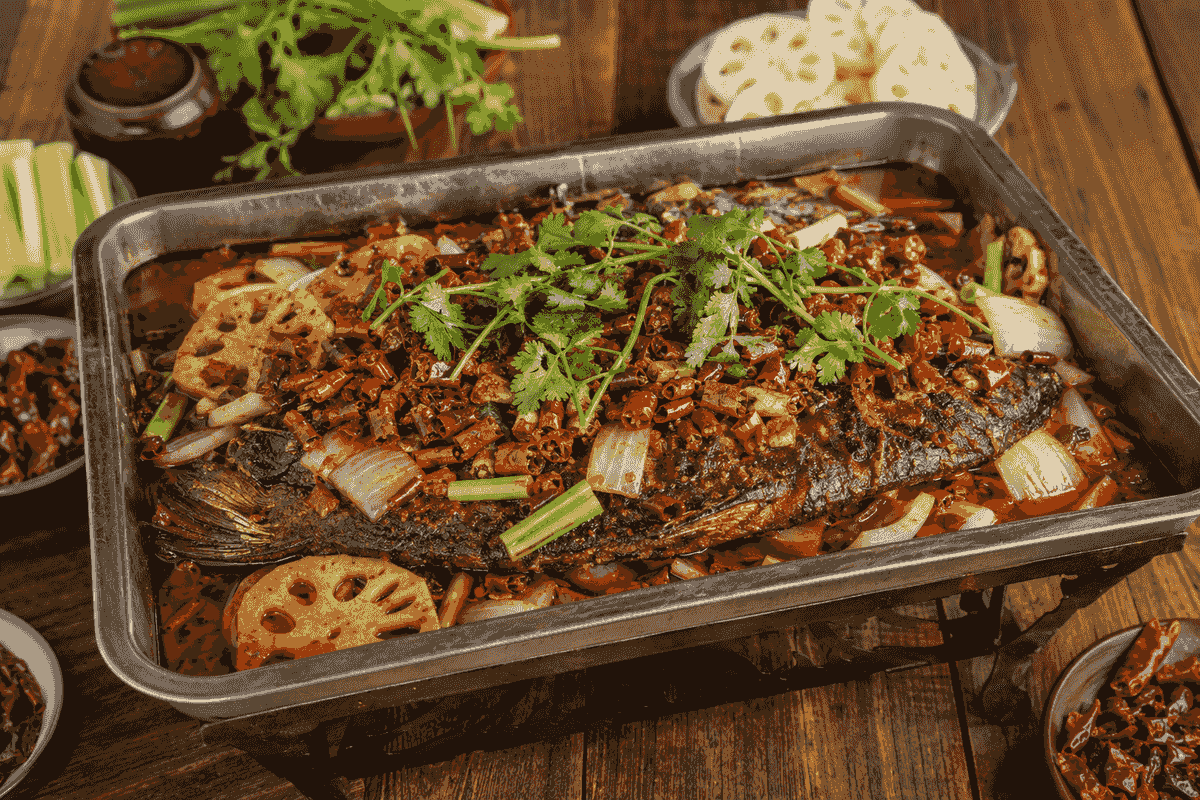
Grilled Fish
Whole fish grilled over charcoal and served on a tray with chilies, spices and fresh vegetables.
Where Next
Destinations to Combine with Chongqing
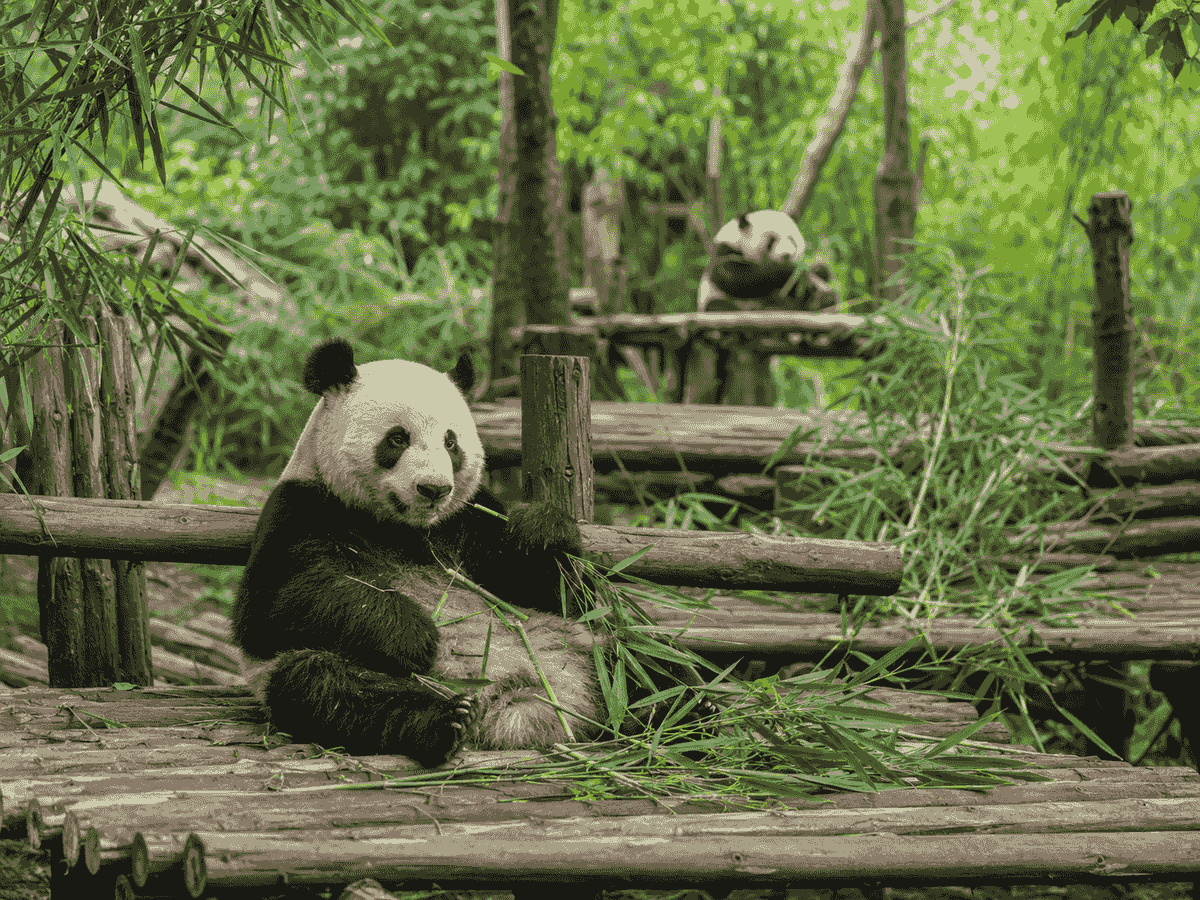
Chengdu
Continue with pandas, teahouses and Sichuan cooking. This is the most natural two-city pairing if food and local life lead your trip.
Suggested additional stay: 3–4 days.
Guilin and Yangshuo
Balance Chongqing's dense cityscape with karst hills, rivers and a slower countryside stay. Choose the connection around your full route rather than treating this as a short side trip.
Suggested additional stay: 3–4 days.
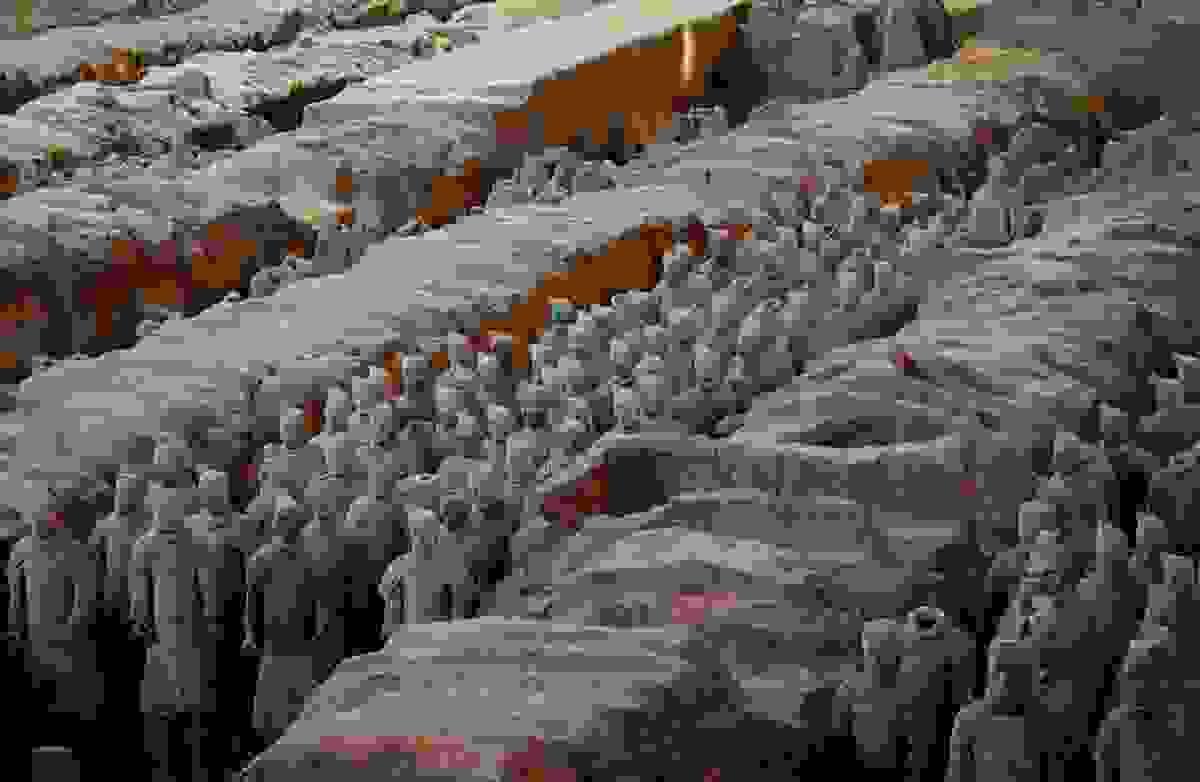
Xi'an
Add imperial history, the Terracotta Warriors and the city wall for a broader journey through inland China. Give the transfer its own time in the itinerary.
Suggested additional stay: 2–3 days.

Discover Chongqing Your Way
Tell us your travel dates, the number of travelers and whether food, night photography, history or a gentler pace matters most. Mention Chongqing in your enquiry, including any plans to continue to Chengdu. Specific services and availability need to be confirmed for your dates.


