
Quick answer: A practical China itinerary starts with the number of usable days, not a list of every famous place. Choose seven days for two well-connected bases, ten days for a balanced three-city introduction, or fourteen days for a cultural route with one additional region. Count arrival, departure and transfers honestly. The examples below are planning frameworks, not confirmed departures or guarantees of ticket availability.
Reviewed on 20 October 2026. ChinaGuideTrip helps international visitors plan journeys nationwide and coordinates proposed arrangements with local service partners. All routes need adjustment for your dates, transport, attraction availability and walking preferences.
Choose your China itinerary by time and travel style
Seven days suits travellers who want a focused first impression without constantly changing hotels. Ten days gives more room for the classic combination of Beijing, Xi’an and Shanghai. Fourteen days can add a scenery destination, a regional extension or simply a gentler pace. Extra days do not need to become extra cities. Time for a market, a neighbourhood walk or an unhurried meal can be as memorable as another landmark.
Decide what the day count includes before comparing proposals. A seven-day holiday measured from leaving home may provide fewer than seven days inside China. A late arrival is not a full sightseeing day, and an early international departure usually needs an overnight in the departure city. Tell your planner the actual flight dates, or clearly state that flights are still flexible.
For seasonal trade-offs, read our best time to visit China guide. Weather preferences should shape the route rather than sit in a separate checklist after everything has been booked. Compare destinations through the China destinations overview before deciding which places are essential.
Seven days: Beijing and Shanghai with two comfortable bases
A seven-day China itinerary works best when it stays selective. Beijing and Shanghai offer contrasting introductions to history, urban life and regional food. An alternative is to remain entirely in one region, particularly if your group dislikes transfers. The example below assumes that arrival and departure logistics fit the chosen cities. Reverse the order if flight arrangements make that more sensible.
Days 1–3: arrive and explore Beijing
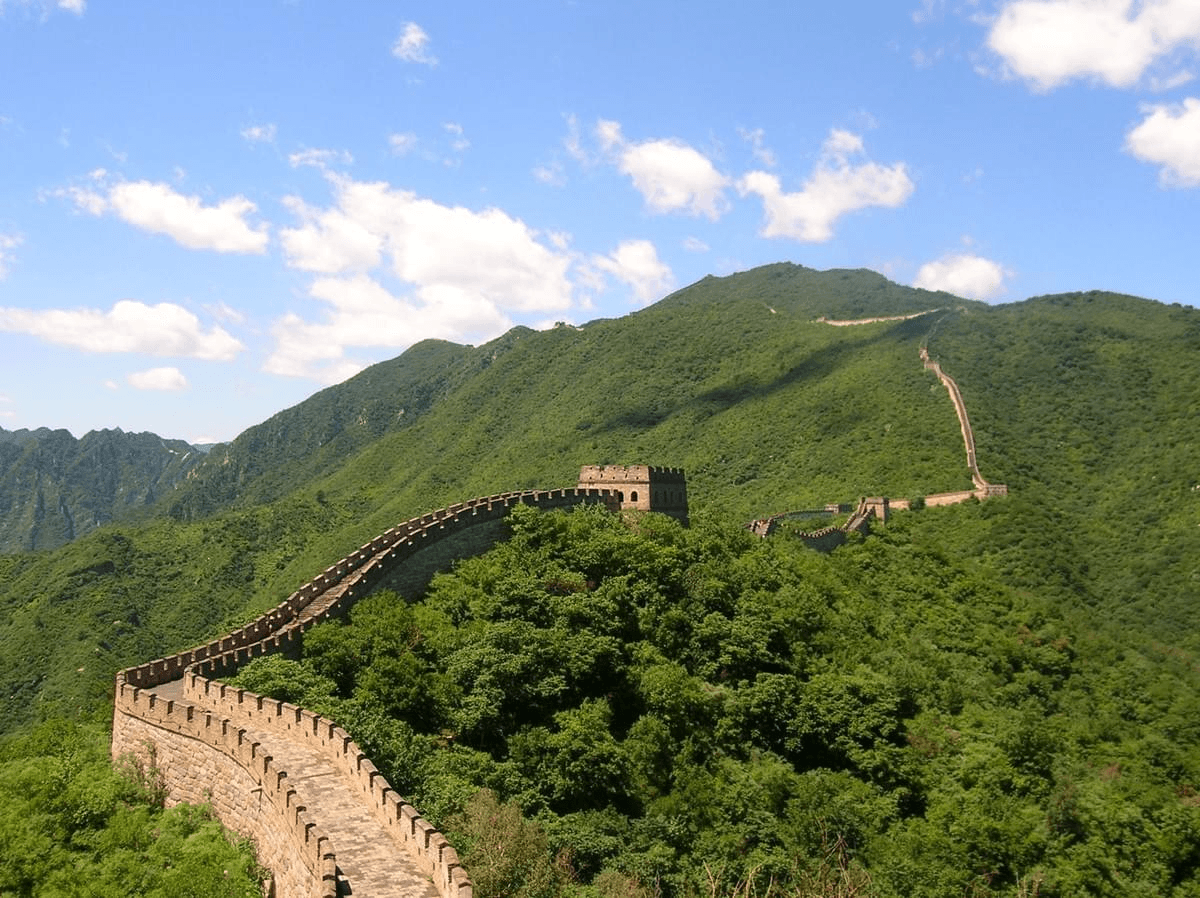
Use the first day for arrival, settling in and a short local walk if you feel comfortable. On the next two days, select a palace or museum visit, a neighbourhood experience and a Great Wall excursion if that is a priority. Do not assume all major sights fit into one continuous walking day. The Great Wall visit should reflect your preferred walking level, weather and the specific section chosen.
Keep the sequence flexible around opening days and ticket reservations. The Palace Museum publishes its own admission rules and generally closes on Mondays except relevant holidays; verify the current notice for your visit. A guide cannot override those rules. Our Beijing guide provides a starting point for choosing your priorities.
Days 4–7: transfer, Shanghai and departure
Treat day four as a transfer day with modest expectations for sightseeing. The useful comparison between rail and air is door-to-door convenience, including stations or airports, check-in, luggage and the location of your hotels. Keep the evening light. Use the following days for a mixture of waterfront views, neighbourhoods, a museum or garden, and meals that match your interests.
If departure falls on day seven, allow the necessary airport transfer and check-in time rather than scheduling a distant attraction first. Adding Suzhou or Hangzhou is an option only if it improves your trip and your available hours support it. For many first-time visitors, staying in Shanghai is the calmer choice. See our Shanghai guide for a focused city plan.
Ten days: Beijing, Xi’an and Shanghai
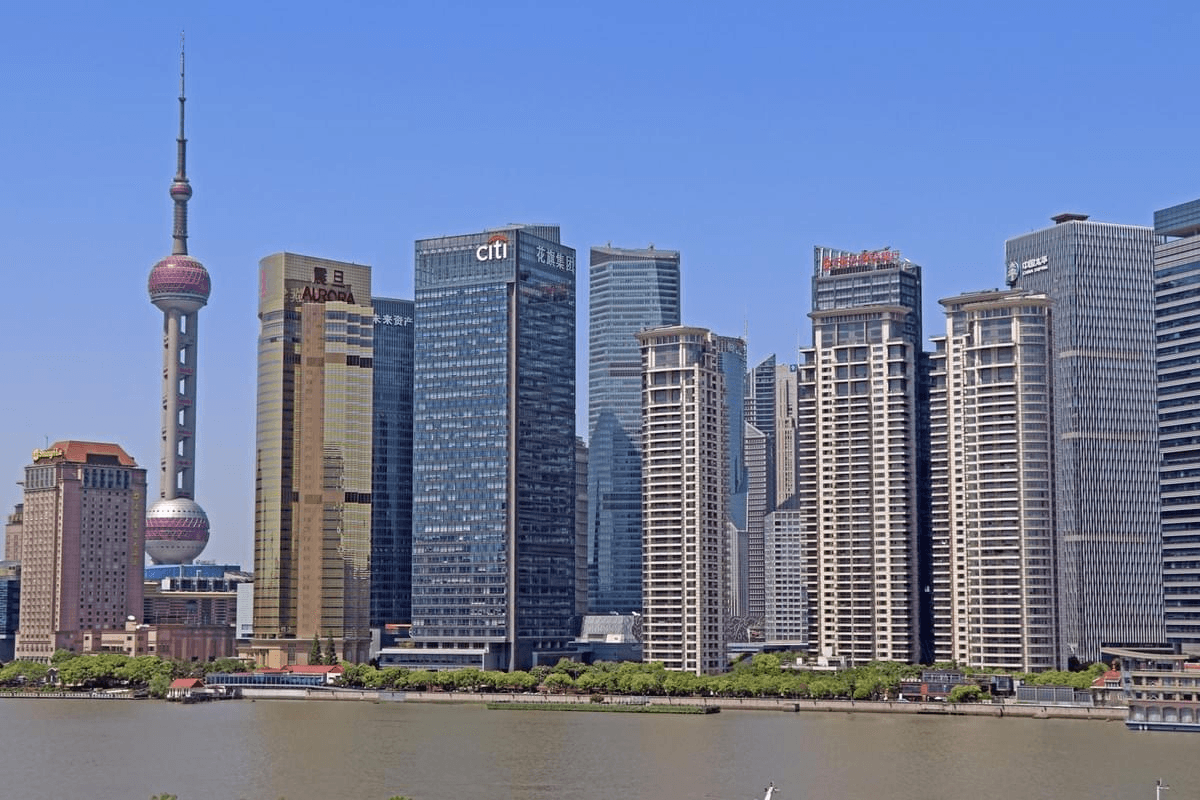
A ten-day China itinerary allows a third base while preserving time for meaningful visits. Beijing, Xi’an and Shanghai form a useful cultural introduction, but this is not the only valid route. If food, gardens or countryside matter more than imperial history, replace a destination rather than adding more stops. Keep the overall number of transfers visible when comparing alternatives.
Days 1–4: Beijing with room to recover
Arrive on day one and reserve the first evening for rest or a nearby meal. Spread your main visits across the following days, with a Great Wall outing separated from a demanding central-city sightseeing day where possible. Include one lighter period so that jet lag or a delayed arrival does not force the entire schedule to collapse. A neighbourhood visit can be shortened or moved more easily than a timed admission.
Days 5–7: Xi’an and a change of historical perspective
Use day five for the transfer and a gentle introduction to the city. Put the Terracotta Warriors visit on a day with enough time for transport and the actual experience. Use another period for the city walls, a museum or neighbourhood food exploration according to your interests. Confirm opening arrangements and any physical demands separately; a famous attraction is not automatically comfortable for every visitor.
Xi’an adds something different to this China travel itinerary, but it should not become a rushed checklist between two long transfers. Give your planner the activities you care about most and those you are happy to skip. Read our Xi’an guide to discuss the balance between major monuments and everyday city experiences.
Days 8–10: Shanghai and an uncomplicated departure
Transfer on day eight, then use your remaining time for Shanghai. Keep one primary activity per half-day and leave room for meals and movement between districts. A final evening near your accommodation is often more comfortable than a distant excursion. If your international flight leaves early, choose arrangements that reduce the risk of a stressful last transfer.
Fourteen days: add one region or slow the journey down
A fourteen-day China itinerary creates useful flexibility. You could extend the three-city cultural route with Guilin and Yangshuo for scenery, add Suzhou and Hangzhou for gardens and regional urban life, or give your original cities longer stays. Choose one extension. Combining every option turns extra time into more packing, checking in and waiting for transport.
Option A: a cultural route with Guilin and Yangshuo
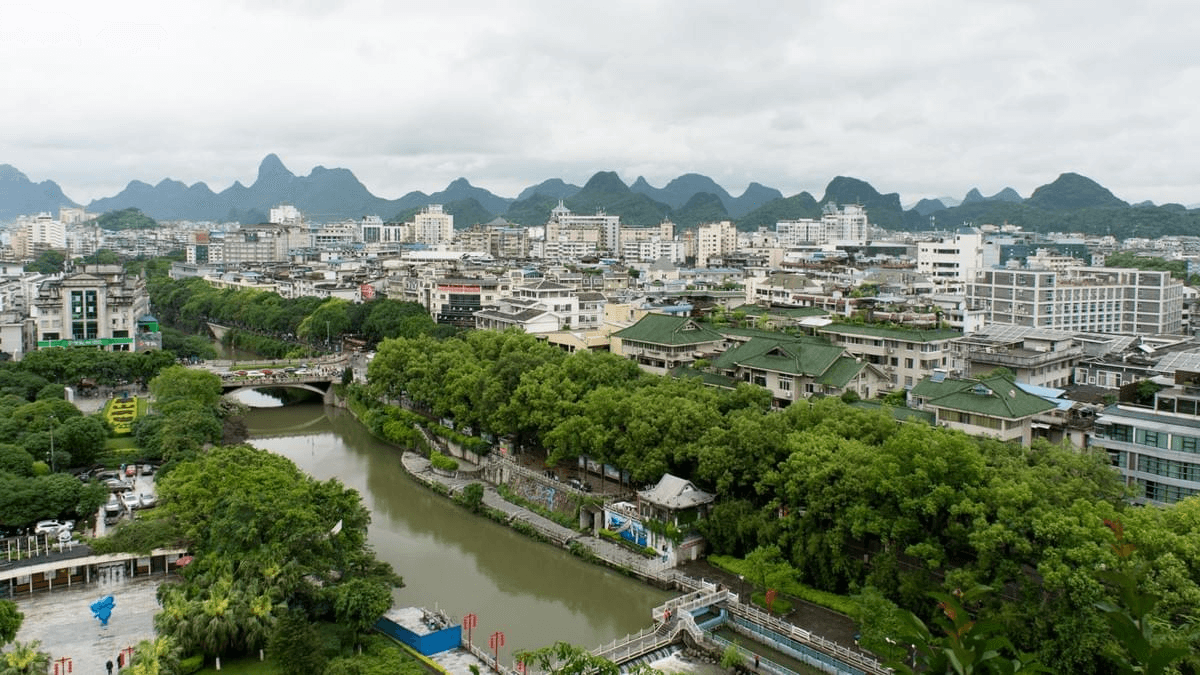
Allocate roughly the first nine or ten days to the main cultural cities, then reserve a meaningful block for the Guilin and Yangshuo area and your onward connection. Exact order depends on actual transport. Do not assume a landscape stop fits conveniently between any two cities. River activities and outdoor excursions need weather and operating checks, plus an alternative if conditions are unsuitable.
Option B: more time in eastern China
Travellers interested in gardens, tea, architecture and slower city walks may prefer an eastern extension. Add Suzhou or Hangzhou after Shanghai, or create a regional journey around those places. Fewer long-distance changes can leave more time for experiences. Whether to stay overnight or make a day visit depends on your interests, the timetable and how much you value avoiding another hotel change.
Option C: the same cities at a gentler pace
Fourteen days in three bases can suit families, older travellers and anyone who wants substantial rest time. Add an unscheduled morning, a cooking or craft experience if available, or a second visit to a neighbourhood you enjoyed. A slower itinerary is a positive choice. There is no obligation to add a remote landscape merely because the trip has reached two weeks.
Transfers, tickets and booking order
Build the China itinerary around an achievable sequence: agree the route, check transport options, establish the essential attraction reservations, and then confirm the arrangements in writing. Availability changes, and some bookings open closer to travel. Do not mistake a planning suggestion for a ticket confirmation. Keep names consistent with the identity document required by the operator.
The official China Railway 12306 FAQ explains accepted identity documents for its English service. Consult it for current booking requirements. For the Palace Museum, use its official visiting information. Entry permission, visa rules and transit eligibility need separate verification for your nationality and journey; a route example does not establish eligibility.
Adapt the plan for your group
For children, balance landmarks with shorter activities and dependable meal breaks. For travellers who prefer limited walking, explain stairs, slopes and standing tolerance before choosing attractions. For food-focused trips, make meals part of the route rather than an afterthought. Share dietary requirements privately during planning, and confirm what can actually be accommodated.
When reviewing a proposal, ask how much time is spent moving, which days are demanding, what is flexible, and which reservations constrain the order. A useful China itinerary explains the shape of the day without pretending every minute will run exactly as written. Allow breathing room for the small delays that are normal in any international trip.
Frequently asked questions
Is seven days enough for a first visit?
Yes, for a focused introduction. Choose two bases or one region and accept that you will leave other places for another journey. Check how many days you actually have after flights.
Is ten days or fourteen days better?
Ten days can support a balanced three-city route. Fourteen days offers more rest time or one regional extension. The better choice depends on your available leave, interests and tolerance for transfers.
Can I start in Shanghai instead of Beijing?
Yes. The route can run in either direction when transport and opening arrangements support it. Compare international flights before fixing the sequence.
Are these confirmed tours?
No. These are adaptable planning examples. Services, tickets, partners and the final sequence require confirmation for your dates.
Request a route that fits your available days
Tell ChinaGuideTrip your dates or possible month, number of travellers, preferred cities and daily pace. If you are undecided, say whether history, food, scenery or a slower holiday matters most. We can discuss your China itinerary and coordinate proposed services with local partners across the country. Send your trip request to start with your priorities.