
Quick answer: The best time to visit China depends on the route you want, the pace you enjoy and how much weather flexibility you have. For a first trip combining Beijing, Xi’an and Shanghai, spring and autumn are useful starting points. They are not a promise of mild weather everywhere. Southern river landscapes, mountain parks and northern winter trips need different decisions. Choose your region first, check public holidays next, and compare actual forecasts before departure.

Planning guidance reviewed on 20 October 2026. Seasonal descriptions below are general planning patterns, not forecasts. Opening arrangements, transport and holidays should be checked for your actual travel dates. ChinaGuideTrip helps international visitors plan journeys across China through local service partners; the final arrangements depend on your requirements and confirmation.
How to choose the best time to visit China
Begin with three questions: which experiences matter most, how many days are available, and how comfortable are you with heat, cold, rain or crowded attractions? A museum-focused city journey can tolerate different conditions from a hiking holiday. A family travelling during school holidays may have fixed dates but considerable freedom over cities and daily pace. There is usually more value in adjusting the route than searching for a single perfect month.
Keep the number of regions realistic. Adding a northern city, a southern river destination and a mountain park creates several different weather requirements. For a shorter visit, choose one or two connected areas. For a longer journey, let seasonal suitability guide the order. Our China destinations overview helps you compare the places before fixing dates.
Spring: city walks, gardens and flexible sightseeing
Spring is often considered when deciding the best time to visit China because it can suit walking and cultural sightseeing. However, early and late spring are different experiences. Northern destinations can remain cool while southern and eastern destinations may have wet days. Blossom displays also depend on location and that year’s conditions; do not build an entire international trip around an unverified flowering date.
For Beijing and Xi’an, combine outdoor visits with indoor options and leave room to change the order. For Shanghai, Suzhou and Hangzhou, gardens, neighbourhoods and lake scenery work well as a regional concept, but bring a practical wet-weather plan. A reserved museum, an indoor cultural activity or a shorter walk can prevent a rainy afternoon becoming a lost day.
Spring works particularly well for travellers who can choose dates outside busy holiday periods and who prefer a balanced itinerary. It is less straightforward if every day depends on a specific mountain view. In that case, allow extra time near the landscape destination rather than assuming the season alone guarantees visibility.
Summer: work with your dates and reduce the daily load
Summer can be the only available period for families and teachers. That does not make a China trip impractical. The useful question is how to adapt. In many popular destinations, heat, humidity, rain and school-holiday demand can affect the experience. Mountain areas can have different conditions from nearby cities. A national label such as “summer weather” is too broad to decide what your day will actually feel like.
Plan demanding outdoor visits earlier where opening arrangements allow, use indoor breaks, and avoid placing a long transfer after an exhausting sightseeing day. Choose accommodation for convenient access rather than relying on a long commute. Build alternatives into activities that depend on river conditions, visibility or outdoor operations, and follow official warnings if conditions change.
For a first family trip, fewer hotel changes can be more useful than adding another famous destination. Describe your children’s ages and walking tolerance when requesting a plan. The best time to visit China for your family may simply be your available holiday, supported by the right route and realistic expectations.
Autumn: a useful starting point, with holiday exceptions
Autumn is another practical starting point for a multi-city cultural trip. It may suit travellers who want outdoor sightseeing alongside museums, food and neighbourhood walks. Conditions still vary by region, altitude and date. An early-autumn itinerary in the south should not be planned as if it had the same temperatures or rain patterns as a later visit to a northern city.
Pay particular attention to National Day travel. The official 2026 holiday notice lists 1–7 October as the National Day break. These dates are a historical reference for planning, not a prediction of the arrangements for another year. Consult the official calendar for the year you will travel, including adjusted workdays. A pleasant season does not remove the effect of concentrated domestic travel demand.
If your dates overlap a major holiday, consider fewer city changes, longer stays and a more selective attraction list. Book necessary arrangements once the relevant booking windows and your plan are confirmed. Do not assume that choosing a private guide creates access to sold-out tickets or bypasses an attraction’s official rules.
Winter: choose an experience, not a nationwide weather assumption
Winter can suit travellers who actively want cold-season experiences or who prefer cultural city visits with substantial indoor time. Northern winter destinations require different clothing and expectations from a southern itinerary. Short daylight, cold conditions and changes to outdoor operations may affect how much sightseeing is comfortable. Check specific attractions rather than assuming every summer activity runs unchanged.
Shanghai and other eastern cities can also feel cold, especially during long outdoor walks. If you dislike standing outside, put museums, meals and shorter neighbourhood visits into the plan. In any region, allow enough time between activities to warm up or rest. A low-temperature forecast matters more to the practical itinerary than a general statement that a city is “good in winter”.
Spring Festival timing changes between years and can affect transport, business hours and local travel patterns. Check the official holiday arrangements and the actual opening notice of each essential attraction. The best time to visit China for a winter experience should be chosen around those specific activities and your comfort, rather than a promise of universally quieter travel.
Match the season to your route
Beijing, Xi’an and Shanghai
This cultural combination crosses regions, so pack for differences and avoid judging the whole route from the arrival city. Consider spring or autumn first if your dates are flexible, then compare holidays and your preferred activities. Read the Beijing guide and Xi’an guide before allocating nights. Allow meaningful time in each city instead of making every other day a transfer.
Shanghai, Suzhou and Hangzhou
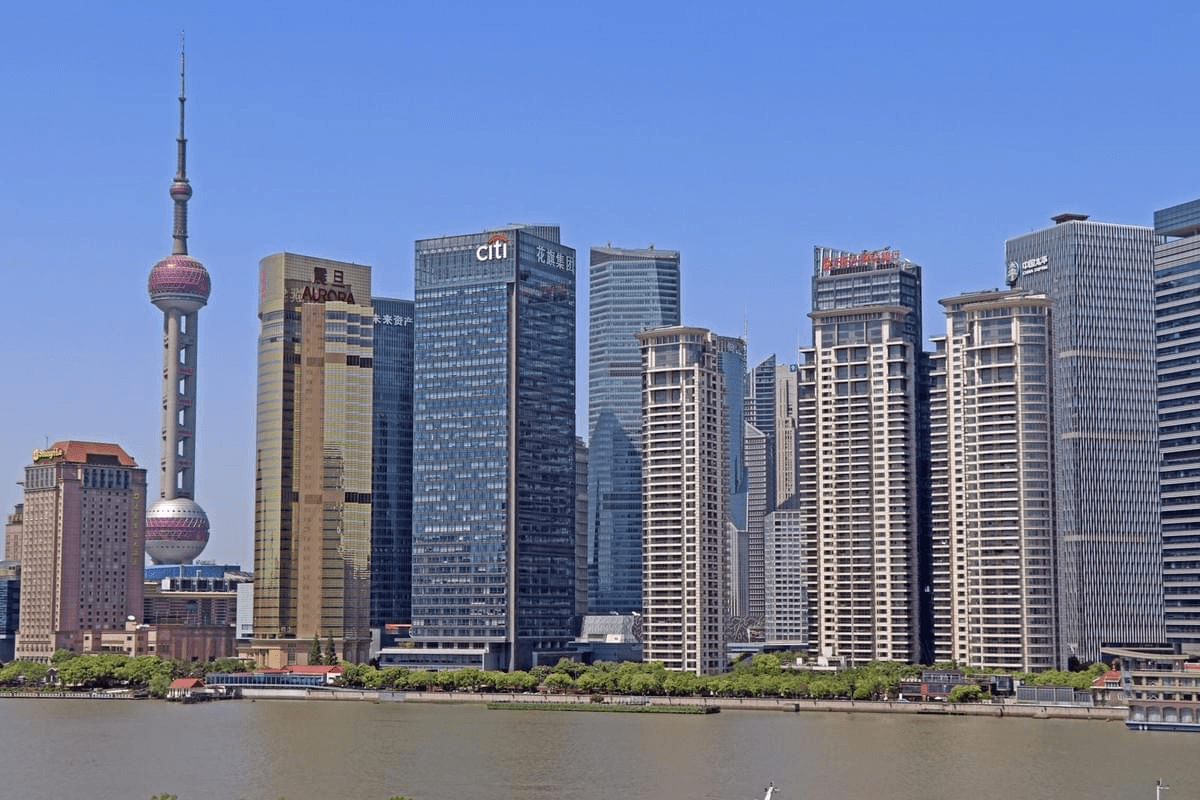
This is a useful regional alternative for travellers who value gardens, urban neighbourhoods and a slower rhythm. Rain does not necessarily prevent a trip, but it changes the most comfortable order of activities. Keep indoor options and protect a little unscheduled time. Our Shanghai guide can help you decide whether to stay in one city or add overnight stops.
Guilin, Yangshuo and mountain landscapes
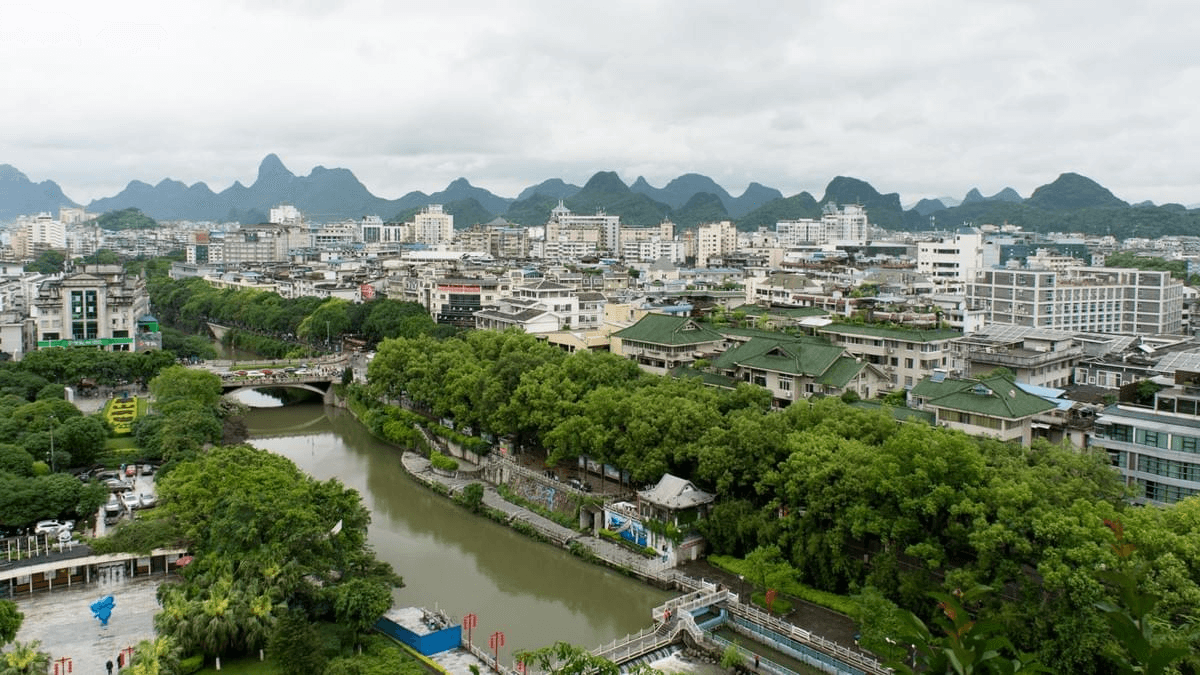
For scenery-focused travel, rainfall, visibility and operating conditions deserve extra attention. A photograph taken in one month does not guarantee the same view during your visit. Keep flexibility around boat activities and mountain days, and be ready to use a land-based or indoor alternative. Compare the roles of Guilin and Yangshuo rather than treating them as interchangeable bases.
A practical month-selection checklist
When choosing the best month to visit China, write down your fixed dates, essential experiences, acceptable weather conditions and maximum number of hotel changes. Check whether the dates overlap an official public holiday. Then compare the chosen cities, not an average for the entire country. Give an outdoor-heavy route a fallback day or a flexible activity order where possible.
Ask for a plan with clear alternatives: which sightseeing day can move, what happens if a river activity does not operate, and which bookings cannot be changed easily? You do not need to know every attraction before asking. A short explanation of your priorities is more useful than a long list of disconnected destinations copied from social media.
If you are comparing when to visit China across two possible months, request the same route in both periods. That makes the trade-offs clearer. Changing both the month and every destination at once makes it harder to understand whether the improvement comes from weather, pace or a different type of trip.
Weather checks and official information
Use the China Meteorological Administration for official weather information and warnings, and consult the relevant local authority for specific destinations. A seasonal guide is useful early in planning; a forecast and current warning become more important as departure approaches. Do not use this article as an assurance that a trail, boat service or attraction will operate.
For holiday dates, consult the official public-holiday information for the relevant year. For general destination inspiration, the official Travel China tourism website is another starting point. Check individual attraction and transport operators separately before confirming time-sensitive arrangements.
Frequently asked questions
What is the best time to visit China for a first trip?
Spring or autumn can be useful starting points for a cultural route through major cities, but the best time to visit China ultimately depends on the cities, holidays and activities you choose. Compare the whole route and keep flexibility for weather-dependent sightseeing.
Is there one best month for all of China?
No single month gives identical conditions across such a large country. A month that suits a northern walking itinerary may involve different trade-offs in southern river areas. Choose a regional route and then compare dates.
Can I visit during the summer school holidays?
Yes, with a plan that accounts for the conditions of your destinations and the needs of your group. Reduce daily walking where appropriate, include indoor breaks and avoid excessive transfers. Fixed dates are a reason to adapt the trip, not automatically abandon it.
Should I avoid every public holiday?
Not necessarily. If your dates are flexible, compare alternatives. If they are fixed, plan around demand and actual booking availability. Official holiday dates and attraction opening notices matter more than a generic promise that a particular week will be quiet.
How far ahead should I plan?
Start once your travel dates and interests are taking shape, especially if they are inflexible. Different services have different booking windows, and an early request does not mean every ticket is already on sale. Confirm the practical sequence before committing to non-refundable arrangements.
Can ChinaGuideTrip help choose a season and route?
Yes. Share your possible travel months, group size, interests and preferred pace. We can discuss a nationwide trip concept and coordinate proposed arrangements with local partners, subject to confirmation. The best time to visit China is the period that fits both your plans and a workable itinerary.
Next step: Tell us your travel month, number of travellers and the places or experiences you care about. If you have fixed dates, say so; if you can choose between months, include both options. We can start with that information rather than a finished itinerary.