
Plan Zhangjiajie National Forest Park around three things: the entrance nearest your accommodation, the mountain and valley areas you want to see, and the amount of walking your group enjoys. The sample three-day itinerary below separates different experiences and leaves room for transfers and pauses. It is a framework to adapt after checking current reservations and transport, not a promise that every connection will run or every viewpoint will be clear.
Zhangjiajie National Forest Park sits within the wider Wulingyuan scenic landscape. Tianmen Mountain and the Grand Canyon glass bridge are separate visits, so they are not added as quick stops inside this park itinerary. If you want help choosing between those destinations, begin with our whole-destination Zhangjiajie travel guide. This article concentrates on organizing the forest park days without making the schedule unnecessarily complicated.
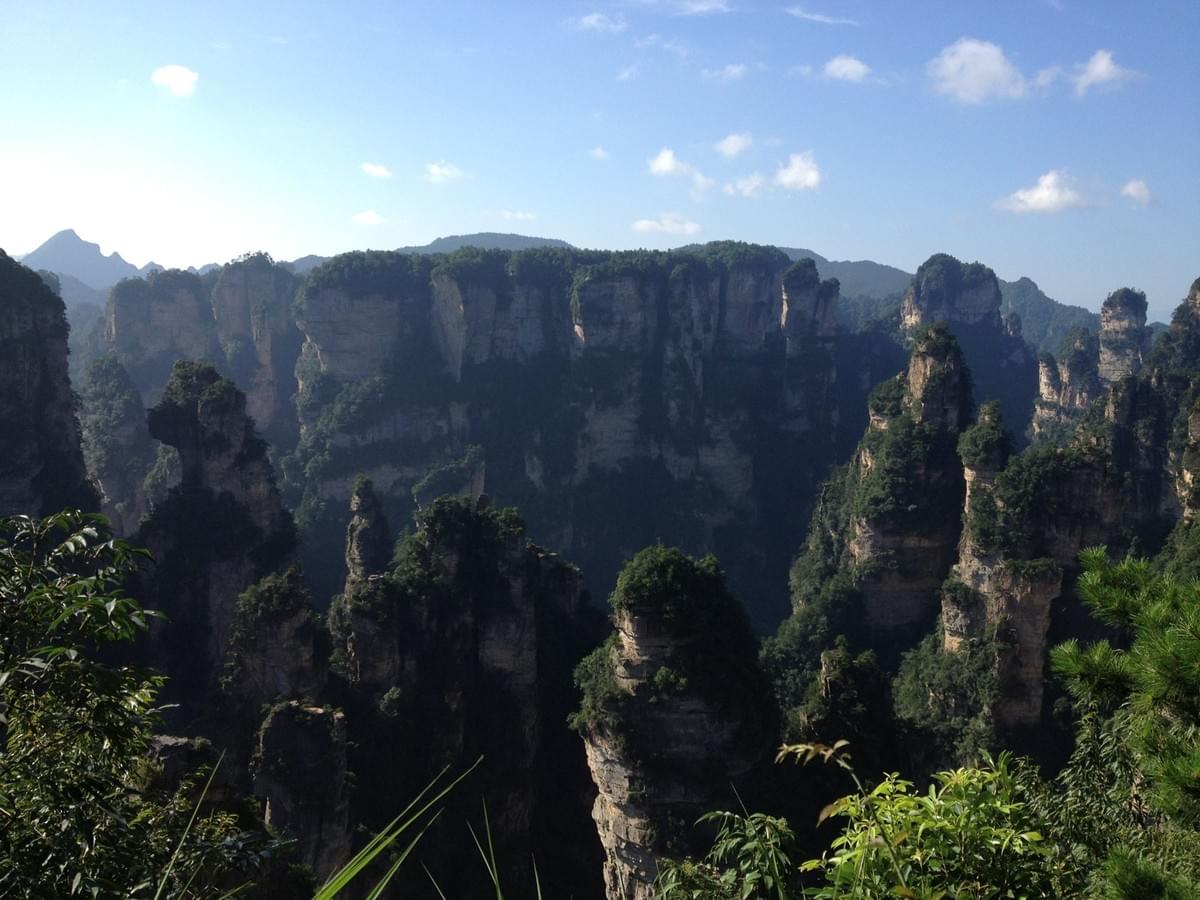
What the different names mean
A park visit may mention Yuanjiajie, Tianzi Mountain, Yangjiajie and Golden Whip Stream. Think of these as different sightseeing areas rather than neighboring viewpoints that can all be reached on foot in a few minutes. Upper viewpoints and valley routes offer different perspectives and require different connections. Check the proposed sequence on the current visitor map, including where you ascend, descend and return to your chosen entrance.
UNESCO's Wulingyuan listing describes the distinctive sandstone pillar landscape and its natural value. The Hunan tourism department also publishes route examples linking several named areas. Those references establish useful context, but neither guarantees that a particular bus, cableway or walkway is available on your date. Keep the landscape explanation separate from the practical operating information you need immediately before travel.
Some promotional material emphasizes film connections. You can appreciate the landscape without relying on a claim about an exact filming location or a guaranteed movie viewpoint. Ask which named area the photograph represents and how that place fits your proposed day. This makes a Zhangjiajie National Forest Park itinerary more practical than selecting unfamiliar place names only because they appear on a list of famous sights.
Choose an entrance before booking accommodation
The most useful entrance is the one that matches your route and return plan. A hotel near one side of the scenic area does not automatically suit a visit starting elsewhere. Obtain the entrance name in Chinese, a map pin and the current meeting instruction. Confirm whether your ticket product specifies an entrance or route, and whether a local transfer is needed from the hotel.
When staying around Wulingyuan, ask how the recommended route begins from your actual address. If you choose a different entrance area, adjust the order of sightseeing rather than copying an itinerary designed for another base. A short-looking line on a map can hide a change of level or a transport connection. The plan should make those transitions clear before you commit to the day's activities.
Keep the final exit as explicit as the morning entrance. A loop that returns to your starting point may be convenient for luggage and pickup. An outing that finishes elsewhere can also work, but only with an agreed transport arrangement. Tell the provider where you need to be afterward. Do not leave a late hotel transfer or an onward train dependent on an undefined park exit time.
Check tickets as a set of inclusions
For Zhangjiajie National Forest Park tickets, identify the exact product rather than relying on its headline name. Check the permitted date or dates, entrance conditions, identification required, and whether any reservation step remains after purchase. Confirm change and cancellation conditions before paying. A booking receipt should make it possible to distinguish an admission entitlement from an optional transport add-on or an unconfirmed reservation request.
List the transport journeys your selected route needs. A lift, cableway or shuttle may have its own inclusion or operating condition. Ask which journeys are covered, which are payable separately, and whether the quoted arrangement assumes a particular direction of travel. This article does not publish an unverified total price or imply that every transport product is included in the main admission ticket.
Use the attraction's current authorized booking channel or ask your service provider to identify its source and scope clearly. Do not treat a website with official-looking destination branding as proof of official ownership. Preserve confirmation details and verify the entry requirements that apply to your travel document. Public travel guides are useful preparation, but the final product conditions govern the booking you actually purchase.
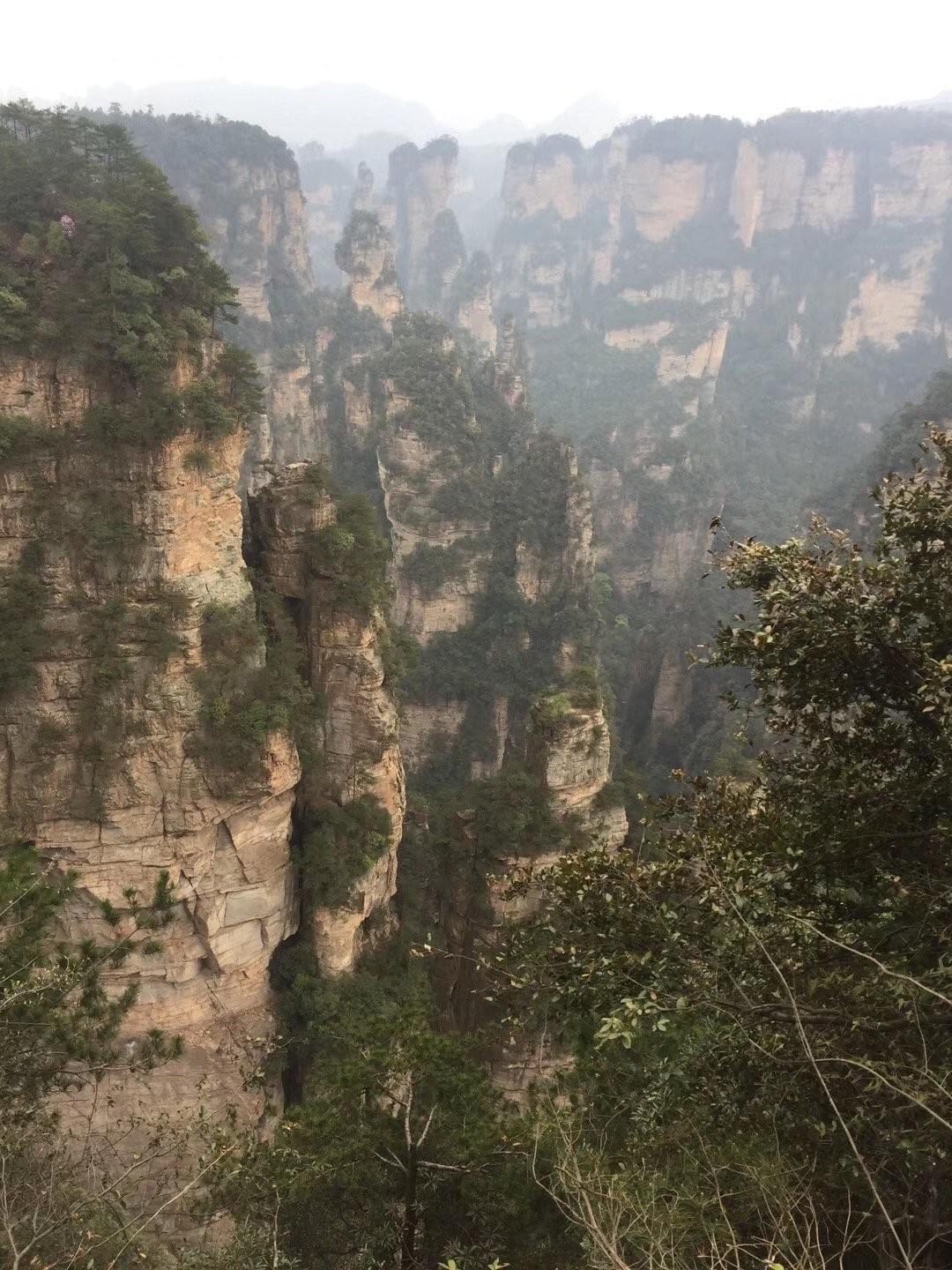
Day one: make the upper viewpoints your priority
Begin with one principal upper-mountain area, such as Yuanjiajie, if current access and your reservation support that plan. Allow time for the entrance process and the ascent before estimating how much sightseeing remains. Travel light enough to move comfortably, and agree where the group will meet if someone pauses. The objective is a coherent first experience of the pillar landscape rather than completing every possible photo stop.
Once you are on the upper routes, use a short list of viewpoints to guide the day. Stop where visibility is good and allow time to absorb the scenery. If cloud covers one view, discuss whether waiting briefly is sensible or whether another part of the route offers a better experience. A Zhangjiajie National Forest Park visit should not require everyone to keep moving simply to satisfy an overly detailed timetable.
Add another upper area only if the walking, connections and return time remain comfortable. A combined Yuanjiajie and Tianzi Mountain day can be considered, but it should not be treated as compulsory for every traveler. A family with young children, a photography group and confident walkers may each need a different version. Keep the ascent and descent choices connected to the group's actual preferences.
Before the final viewpoint, review the return plan. Leave enough room for the required transport and any queue before the last operating connection. If the day has taken longer than expected, remove an optional stop. Do not depend on running through the final section or assume that staff will hold transport for a private group. Return to the agreed hotel or pickup location with the essential day completed.
Day two: change the perspective with a valley route
A valley-focused day can provide a different experience after the upper viewpoints. Golden Whip Stream is one area to consider when the route and conditions suit your group. Choose the amount of walking before beginning: a selected out-and-back section may fit some visitors better than a longer through route. Confirm where the walk finishes and how you reconnect with transport or the rest of the group.
Do not equate lower elevation with an entirely effortless day. Surfaces, weather, distance and the need to stand can affect comfort. Build in pauses and a clear turnaround point. For anyone with limited mobility, ask about the specific section and practical assistance required. A general photograph of a path cannot establish step-free access throughout the route, and a private guide cannot change the physical layout of a trail.
This is also a useful day to reduce pressure on sightseeing. Leave time for a relaxed meal and an earlier return if the first day was tiring. Carry food securely and follow current wildlife instructions; do not feed or approach animals for photographs. A simple routine for rubbish, drinks and belongings protects the landscape and makes moving between stops easier for everyone in the party.
If heavy rain or a closure affects the chosen section, review the alternatives with current local information. Changing the route is more sensible than preserving a written plan at any cost. The fallback might be a shorter permitted walk, a later start, or a different activity outside the park. Any separately ticketed attraction needs its own confirmation rather than being assumed to be a free substitute.
Day three: a second mountain area or a flexible return
Use the third day to deepen the visit rather than repeat the first day's rush. Depending on access, interests and energy, you might consider Tianzi Mountain, selected Yangjiajie viewpoints, or another look at a favorite area that was obscured earlier. The sequence should reflect your entrance and available connections. Choose one main objective and keep the rest optional so the day remains realistic.
For photographers, this day can provide useful flexibility, but no guide can promise a specific cloud formation, sunrise or clear panorama. Discuss which reservations constrain the order and which can change. If conditions have already been excellent, the best use of the extra day may simply be a quieter pace. A three-day Zhangjiajie itinerary does not need to contain a new paid activity every morning.
If you are leaving the region that evening, shorten this day deliberately. Agree the latest sensible park departure, luggage collection and onward transfer before starting. The time printed on an airline or railway ticket is not the time you should aim to reach the terminal. Keep a buffer for local connections and formalities. It is better to leave one viewpoint for another trip than to make the journey depend on perfect timing.
Adapt the plan for families and walking preferences
For young children, use fewer changes of transport and shorter blocks between breaks. Explain whether the group needs a stroller, and verify where it can actually be used. Carrying it through unsuitable sections can become a burden. For teenagers, agree which activities interest them instead of assuming that glass walkways or the most exposed routes are automatically the highlight of traveling in China.
For mixed ability groups, define how a shorter version will work. It needs a comfortable meeting point, a responsible adult arrangement for children and an achievable reconnection time. Do not leave one person waiting alone at an unfamiliar stop without a clear plan. A well-designed visit can offer different walking amounts while still giving the group shared experiences and an understandable daily structure.
A practical ticket comparison before confirming
Put each proposed ticket product beside the itinerary it is meant to support. Record the admission area, permitted visit dates, selected entrance, passenger details and the transport journeys needed for that day. Ask the provider to identify anything still awaiting confirmation. This creates a clear comparison without assuming that a more expensive product automatically includes every lift or cableway you might use.
Check whether the booking is issued immediately or remains a request for a reservation. If the preferred slot is unavailable, decide whether you want another time, a different day or a change to the route. An alternative should be discussed before money is committed where possible. Keep the confirmation accessible and make sure all adults understand the meeting location and the document they need to carry.
For a family or mixed ability group, compare the practical journey as well as the ticket label. A cheaper option that requires an unsuitable climb is not an equivalent arrangement for that group. Conversely, paying for extra journeys you will never use adds little value. The most useful Zhangjiajie National Forest Park ticket is the confirmed product that supports your chosen route, travel date and comfortable walking plan.
Common questions before you book
Are three days necessary for everyone?
No. A shorter stay can work when you choose fewer areas and accept the trade-offs. Three days offer more flexibility for different viewpoints, rest and conditions. Count the full usable days rather than the number of hotel nights. Tell us your actual travel times so the proposal is based on the time available rather than a label such as three-day tour.
Can this plan include Tianmen Mountain?
Tianmen Mountain is separate from Zhangjiajie National Forest Park. Add a separate day or replace one forest park day after considering your priorities. Check its current ticket and transport arrangements independently. Combining destination names in one itinerary does not combine their admission conditions or eliminate the transfer between them.
What help can ChinaGuideTrip coordinate?
We can discuss your dates, overnight base, walking preferences and the services you would like proposed. ChinaGuideTrip accepts nationwide requests and coordinates arrangements with local partners. The confirmed scope explains relevant services, inclusions, exclusions and conditions. Send your group size and arrival details to begin; an example Zhangjiajie National Forest Park route is planning guidance, not a guaranteed booking or an automatic list of included services.
Plan your route
Zhangjiajie travel guide · Private China tours · China itinerary choices · Seasonal planning · Send your trip request
Sources and review
Reviewed 26 October 2026. Sample routes are editorial suggestions; current operating and booking conditions require confirmation.