
For a multi-city trip, plan around the weather at each overnight base, pack adaptable layers, and keep an indoor alternative beside every important outdoor day. A single national forecast cannot tell you what to wear throughout your route. This China weather guide is a preparation worksheet: it helps you organise luggage and changeable days, rather than predicting conditions or choosing the best season to visit.
Start with your actual itinerary. Write down where you sleep, which days involve long outdoor visits, and when you change hotels. Then use dated official forecasts close to departure and recheck before weather-dependent activities. You do not need a separate outfit for every possible condition; you need a small set of clothes that work together and a realistic backup plan.
1. Match your packing to the route
The most useful packing question is what you will do between leaving your accommodation and returning that evening. A day spent moving between indoor visits asks different things of your luggage from a day with exposed viewpoints and a long return transfer.
| Route pattern | Packing priority | Backup to prepare |
|---|---|---|
| Several city bases | Layers you can add or remove and comfortable walking shoes | An indoor activity close to the day's main area |
| City and mountain combination | A manageable daypack and an outer layer suited to the checked forecast | A flexible order for the scenery day and another activity |
| Frequent hotel changes | A compact luggage system with essentials easy to reach | A shorter arrival-day plan if transfers take longer |
| A slower single-base stay | A simple clothing rotation and a place for damp items | Two nearby alternatives that do not require another long journey |
Use the table as a planning aid, not a description of today's China weather. Your chosen destinations, dates, activities and current notices determine the final decisions. For help choosing travel months, read our separate best time to visit China guide. Keep that seasonal choice separate from the short-range checks you make before packing.
2. Check every overnight base
Create a short forecast list with one line per city or overnight base. Include your visit dates, the time the forecast was issued, and the source link. The China Meteorological Administration is an official starting point for weather information. Follow the relevant official local information and attraction notices for the place you are actually visiting.
Do not transfer a forecast from your arrival city to the rest of the journey. When checking China weather, compare the expected conditions during your own stay rather than relying on a screenshot labelled only with a city name. A forecast saved several days earlier can become an outdated planning reference.
For each base, ask three practical questions. What outer layer will I want during my planned outdoor time? Where will I put it when I move indoors? Which activity would I change if conditions affect the original plan? These questions turn a forecast into decisions without pretending that a prediction is a guarantee.
Write the answers beside the day's schedule. Recheck before leaving for a weather-dependent outing, especially if the plan includes viewpoints, boats or other activities whose operation needs confirmation. This article does not confirm opening conditions, departures or access for any specific attraction.
3. Build a small, adaptable packing list
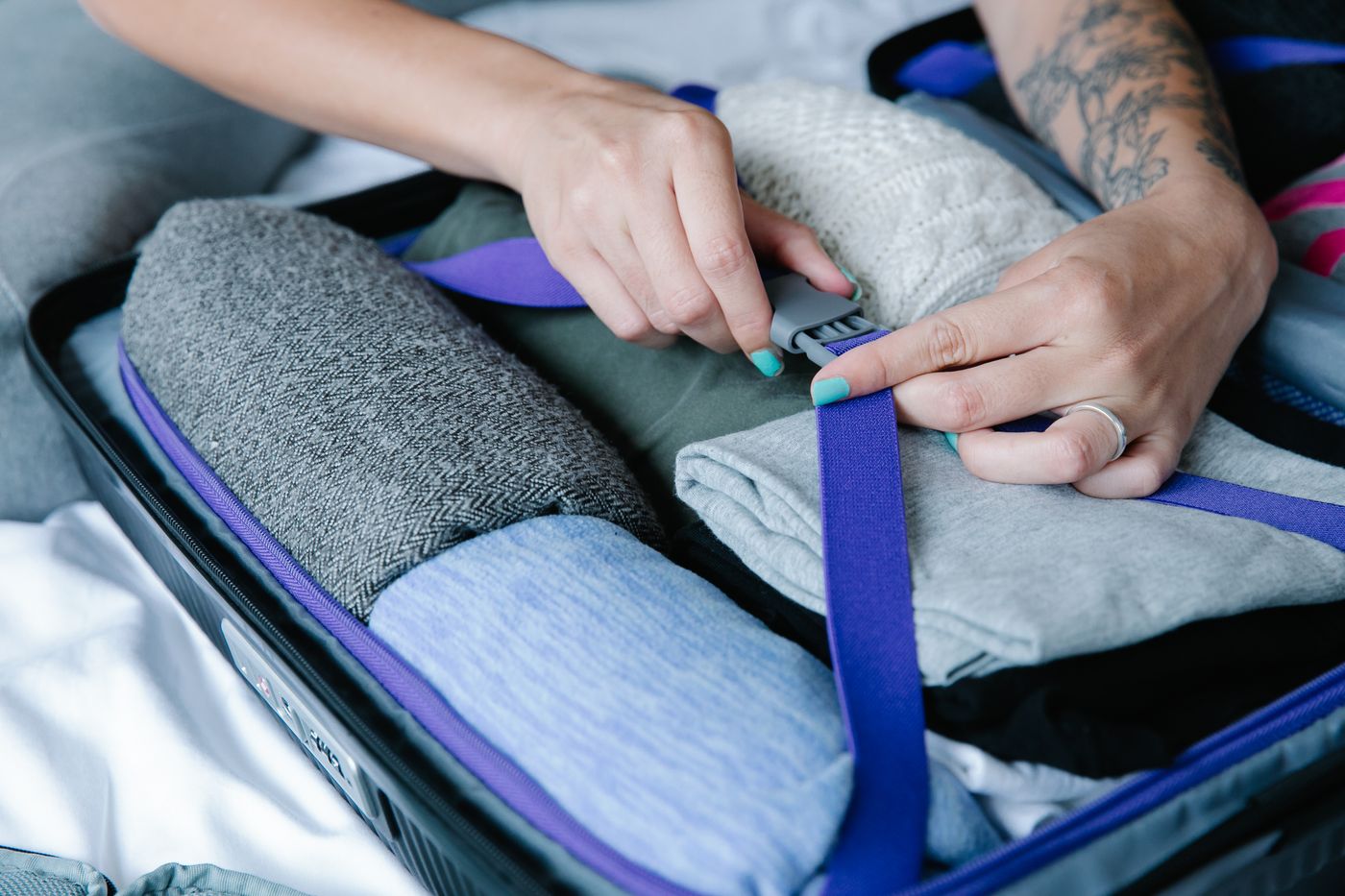
Photo: Timur Weber / Pexels. Stock illustration.
Organise clothing by function: a comfortable base, an extra layer, and an outer layer selected for the forecast and activities. Try the combinations before departure. If one item only works with a single outfit, consider whether it deserves space in your suitcase.
For a mixed-city route, a useful starting checklist is:
• Comfortable clothes that work in several combinations.
• An extra layer that fits inside your daypack when unused.
• An outer layer chosen after checking your destinations and dates.
• Walking shoes you have already worn comfortably.
• Spare socks and a way to separate damp clothes from dry items.
• A small bag for the things you need between hotel check-ins.
• A reusable water bottle, subject to the rules of each visit and transfer.
This is a personal packing framework, not a promise that every item suits every traveller or activity. Adjust it to your own requirements. Avoid adding bulky equipment simply because an undated China weather summary lists every possible condition.
Think about the return journey from a wet outing. Where will damp clothing go? Will your next morning begin with a hotel change? A washable bag or other suitable separation system can make the suitcase easier to organise. Do not assume your hotel has a drying space, laundry service or equipment you have not confirmed.
Keep your outer layer accessible instead of burying it beneath the entire suitcase. If you are transferring between bases, pack the day's essentials together so you do not need to unpack everything on arrival. Leave room for the clothes you remove during the day, rather than filling the daypack completely before setting off.
4. Give rainy days a workable alternative

Photo: Zeynep Sude Emek / Pexels. Illustrative stock photo; location is not presented as China.
A backup plan should be specific enough to use. “Find something indoors” leaves you making all the decisions after the original activity changes. Pick one alternative in the same general area and another nearer your accommodation, then check their current opening and reservation arrangements before relying on either.
A practical swap keeps the route compact. For example, you might exchange the order of an outdoor walk and an indoor visit, provided availability and any booking conditions allow the change. Do not assume that tickets, transport or a guide can be moved without agreement. Confirm the consequences with the booked provider before changing arrangements.
When China weather affects your plan, resist adding a distant attraction simply to keep the original number of stops. A shorter day can be more manageable than a chain of extra transfers. Compare the complete alternative: travelling there, entering, spending useful time, returning and allowing a break.
Keep one note containing the alternative's official page, confirmed reservation details and location. If you are travelling with others, decide which activities matter most to the group before departure. This makes it easier to choose what to postpone and what to replace when conditions change.
5. Leave flexibility around scenery days
A mountain or scenery day may be the highlight of the trip, but it should not depend on a promise of clear views. Put the most weather-dependent activity on a day where the surrounding schedule offers some flexibility, if your bookings and available time make that possible.
Check current destination notices as well as the forecast. The relevant operator or attraction should confirm access, operating arrangements and any restrictions for your planned visit. A photograph, an older traveller's report or a general China weather article does not establish that a particular route is open today.
Separate two questions: whether an activity is operating and whether it still matches your priorities. Even when a visit is available, you may prefer a different use of the day. Discuss that choice without treating a general planning article as an assessment of individual conditions or suitability.
For the broader route structure, use our 7, 10 and 14-day itinerary guide. This page focuses on what to pack and how to prepare alternatives; it does not replace a destination-specific visit plan.
6. Confirm luggage, laundry and transfers
Before departure, send yourself a final checklist of details that still need confirmation. Check luggage arrangements against your actual booked transport and accommodation. Do not rely on a general packing guide for allowances, storage availability, collection times or handling services.
Ask your accommodation about laundry if the clothing rotation depends on it. Confirm what is offered, how it is arranged and when items would be returned. A long stay does not automatically include laundry, and an early departure may change whether it is practical.
Review arrival and departure days separately. Keep the clothes and small items needed during the transfer easy to reach. If bags will be stored or collected, verify the arrangement with the responsible provider; do not build the day around an assumption.
The final China weather check should produce a short list of decisions, not a last-minute shopping list. Remove unnecessary duplicates, check that essential items fit comfortably in your luggage, and keep the alternative activities alongside the itinerary. For a general route worksheet, see our China trip planner.
Editorial review: China Guide Trip content workflow, AI-assisted. Official weather-information source checked 1 November 2026. This is a planning method, not a live forecast. Cover photo: SHVETS production / Pexels; body photos credited alongside images.
FAQ
1. Should I pack for one national China weather forecast?
No. Check each overnight base for the dates you will be there, then relate the information to your planned activities. Use dated official information close to departure and recheck before weather-dependent visits. This guide gives a planning method rather than a live forecast.
2. Do I need a completely different outfit for every city?
Not necessarily. Start with clothes that combine easily, then choose additional layers after reviewing the route and forecast. The aim is an adaptable luggage system, with space for items you take off during the day, rather than a separate suitcase plan for each stop.
3. Can I move an outdoor visit to another day?
Sometimes the route allows it, but availability, reservations and booking terms need checking. Ask the responsible provider before changing a booked activity or transfer. Preparing an alternative is useful; assuming every arrangement can be changed is not.
4. Does rain mean the whole day's itinerary must be cancelled?
Do not decide from this article alone. Check current official information and the arrangements for the specific activity. You can then consider a local indoor alternative, a different order or a shorter day, subject to confirmed availability and your group's preferences.
5. What should I send when asking for route-specific help?
Share your travel dates, overnight bases, group size, important outdoor activities and preferred pace. Mention any luggage or accommodation arrangements that affect flexibility. These details make a China weather preparation discussion more useful than asking what to pack for the entire country.
Ready to plan your China route?
Bring your proposed cities, dates and must-see outdoor activities. We can discuss a route with practical packing considerations and alternatives to check before departure. Explore our private China tour planning, or Discuss My China Trip.